



Welcome to Australian Wool Innovation, a hub for the woolgrowers of Australia.
Not a woolgrower? Looking for information about wool products, wool care or wool processing?
The Woolmark Company is the global authority on wool. Visit Woolmark.com instead.


AWEX EMI
1751
-32
Micron 17
2362
-45
Micron 18
2311
-25
Micron 19
2173
-58
Micron 20
2062
-92
Micron 21
2048
-40
Micron 25
1020
-20
Micron 26
865
-14
Micron 28
658
-14
Micron 30
557
-21
Micron 32
490
-20
Micron 16.5
2401
-24
MCar
1046
-
Strategies and tactics for dry seasons
As we battle on with a poor season, it's important to remember that we're not alone, and that there are resources and support available to help.
Articles That Might Interest You
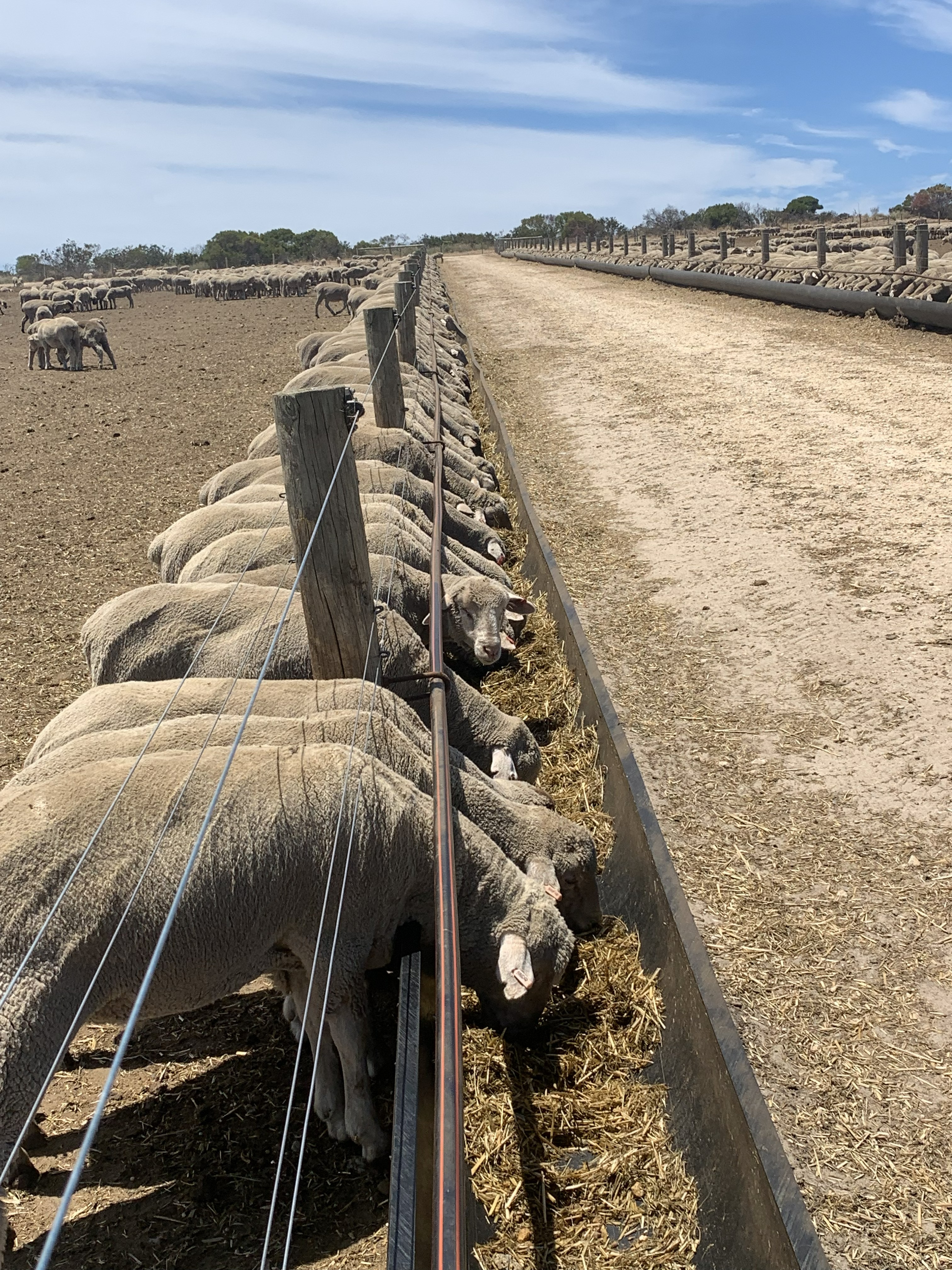
The WA woolgrower’s guide to containment feeding
Containment feeding has become a vital tool for WA woolgrowers to protect soils and maintain or increase stock condition through the increasingly long summer-autumn feed gap. This guide provides practical steps on site selection, nutrition and infrastructure, featuring expert insights from Esperance woolgrower Simon Fowler on how to lift flock performance while reducing costs through containment feeding.
Read more
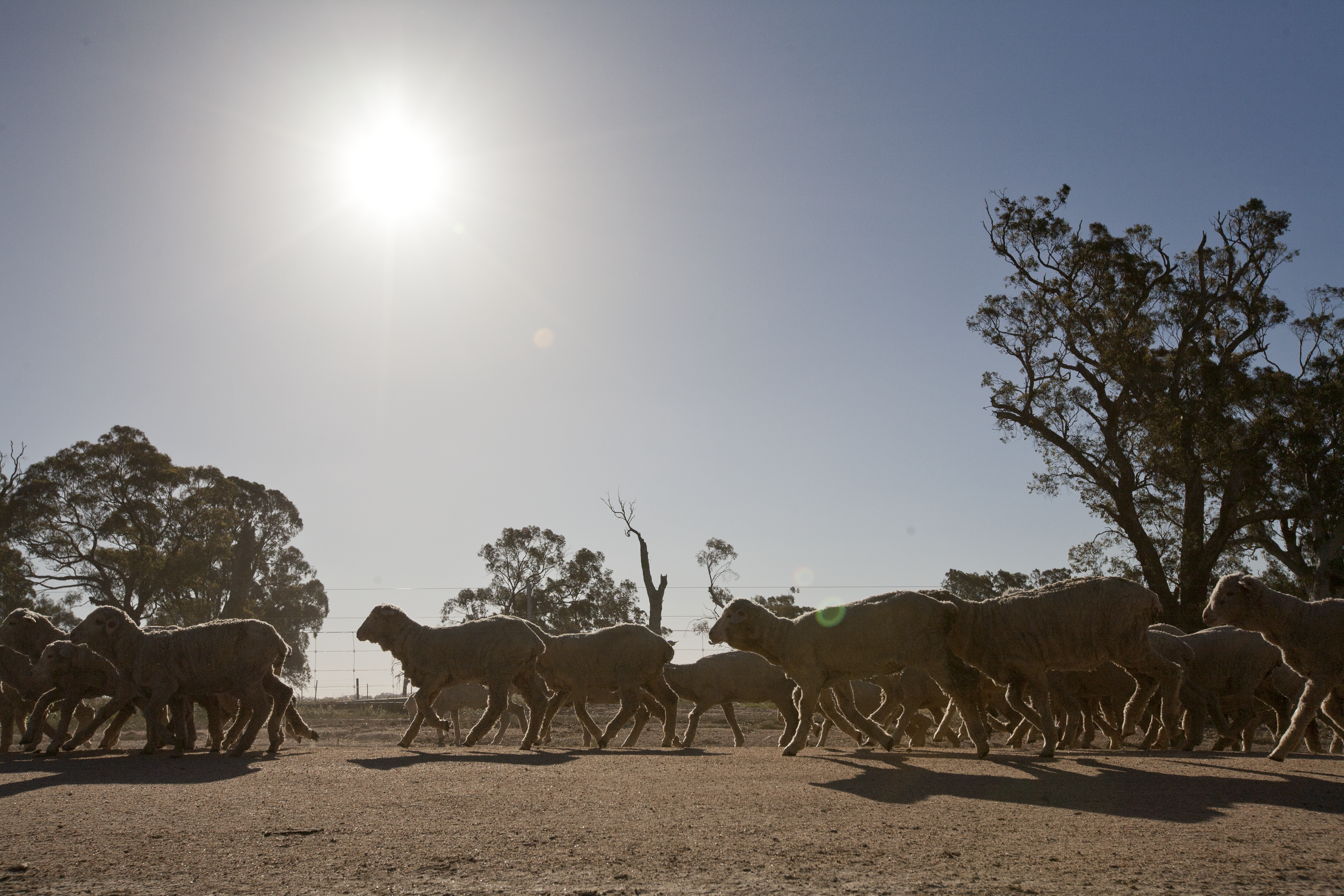
Practical steps to drought-proof your sheep enterprise
Hotter, drier seasons are now the reality for WA woolgrowers — and improving farm resilience is no longer optional. In this article, Bruce Rock woolgrower and Drought Hub Knowledge Broker, Tanya Kilminster, shares practical, research-backed strategies to plan ahead, protect core genetics and secure feed and water before the next long dry hits. Discover the steps that can safeguard your flock, land and bottom line.
Read more
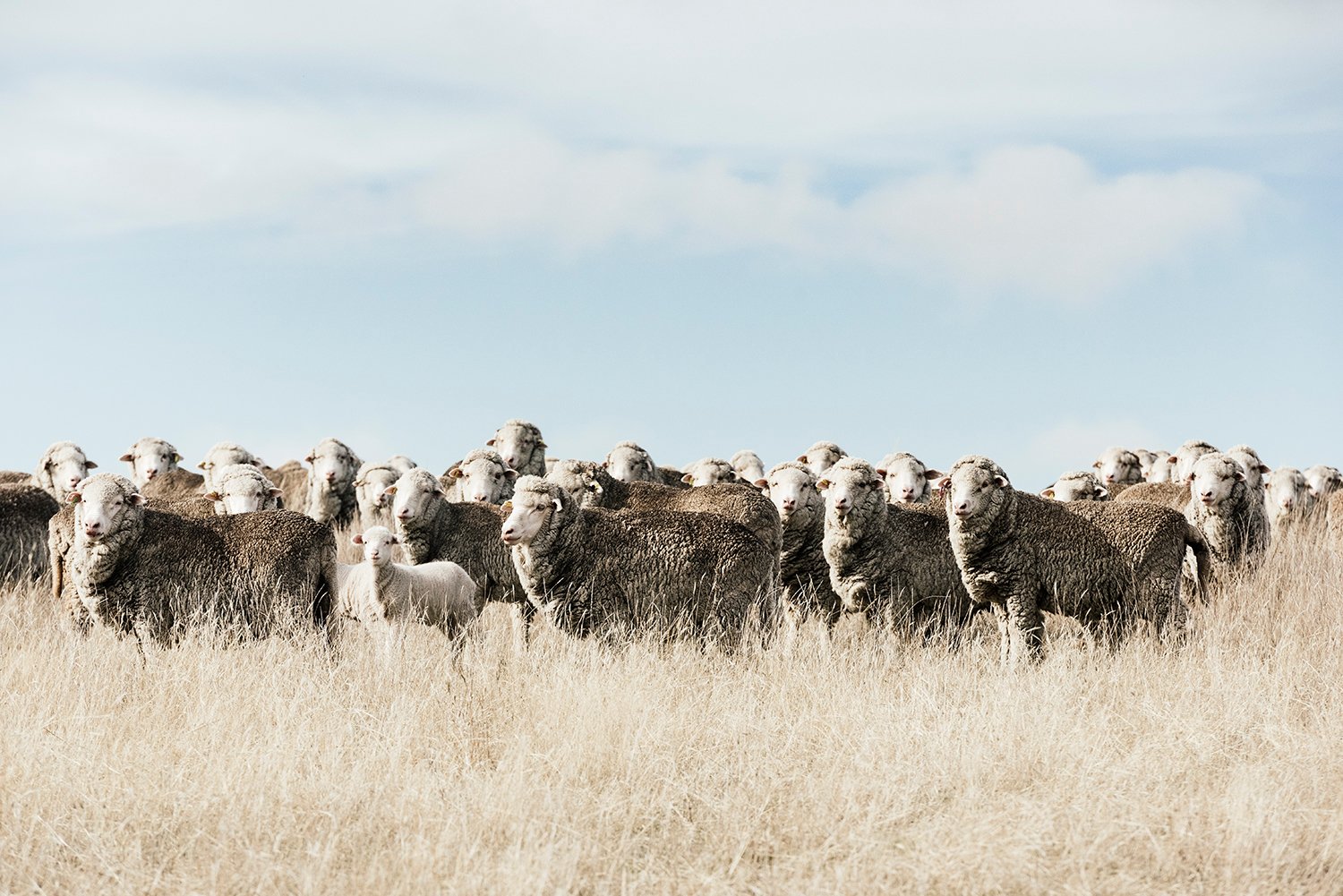
Improving conception, scanning results and lamb survival
Improving conception, scanning, and lamb survival is a multi-faceted game that begins months before the rams go out. This guide outlines the critical links between pre-joining nutrition, mating duration, and pregnancy management, providing Western Australian woolgrowers with a roadmap to optimise ewe energy reserves and lift whole-flock productivity through the challenging summer-autumn period.
Read more