



Welcome to Australian Wool Innovation, a hub for the woolgrowers of Australia.
Not a woolgrower? Looking for information about wool products, wool care or wool processing?
The Woolmark Company is the global authority on wool. Visit Woolmark.com instead.


AWEX EMI
1751
-32
Micron 17
2362
-45
Micron 18
2311
-25
Micron 19
2173
-58
Micron 20
2062
-92
Micron 21
2048
-40
Micron 25
1020
-20
Micron 26
865
-14
Micron 28
658
-14
Micron 30
557
-21
Micron 32
490
-20
Micron 16.5
2401
-24
MCar
1046
-
Where to start with addressing salty land

Best-practice management of salinity on your farm will improve productivity and prevent further degradation of the land. This article dives into the latest practical tips for best-practice saline land management, salinity risk identification and the latest decision-support tools to help with managing saline land in your enterprise.
Articles That Might Interest You
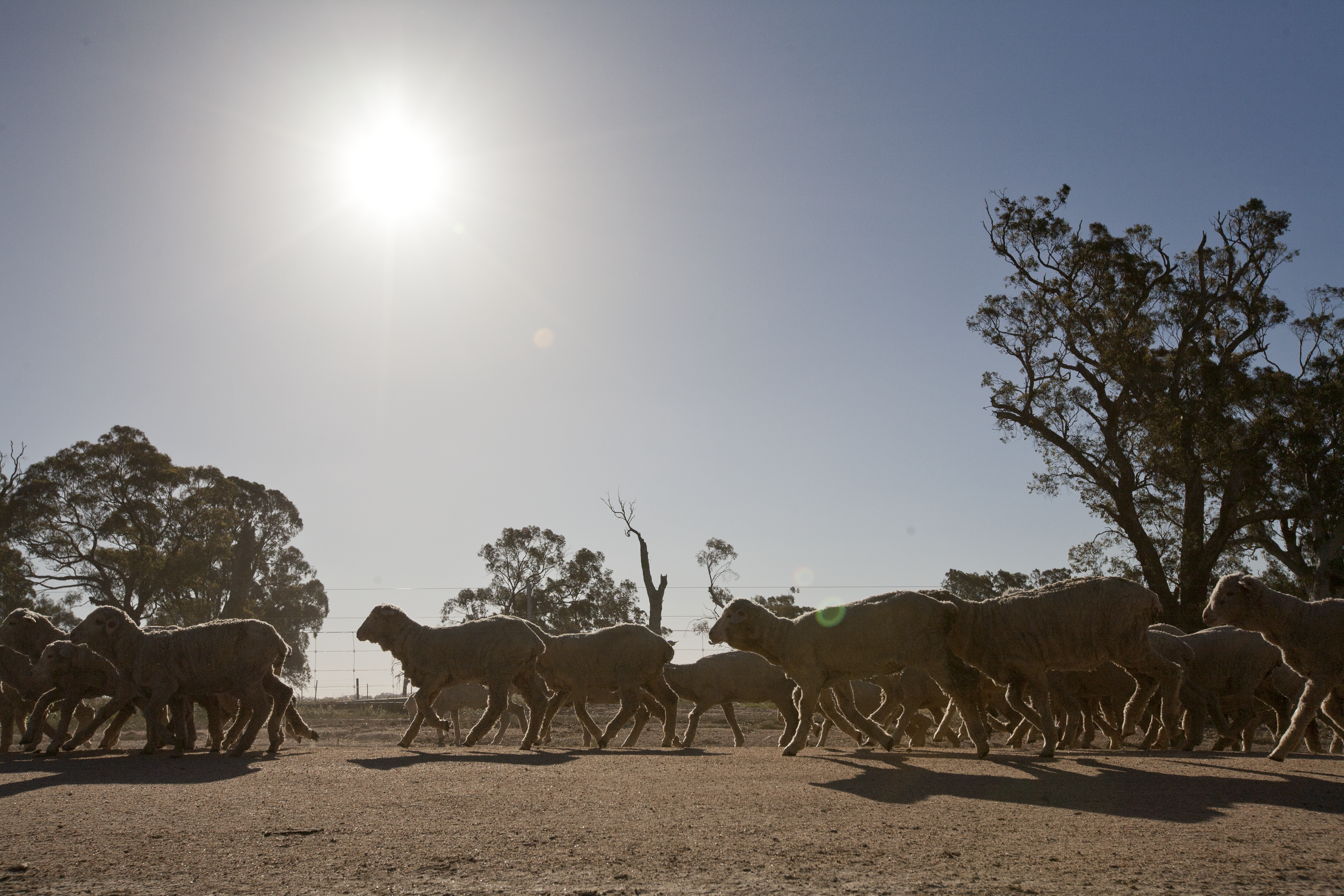
Practical steps to drought-proof your sheep enterprise
Hotter, drier seasons are now the reality for WA woolgrowers — and improving farm resilience is no longer optional. In this article, Bruce Rock woolgrower and Drought Hub Knowledge Broker, Tanya Kilminster, shares practical, research-backed strategies to plan ahead, protect core genetics and secure feed and water before the next long dry hits. Discover the steps that can safeguard your flock, land and bottom line.
Read more
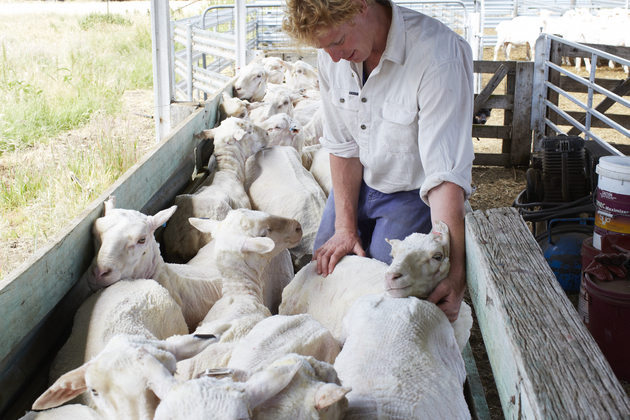
Staying ahead of Barber’s Pole: Managing worm risk in a changing WA climate
Internal parasites remain one of the costliest challenges for WA woolgrowers, but the "rules" of engagement are shifting. Evidence shows barber’s pole worm egg counts are now remaining above risk thresholds year-round in regions previously considered low-risk. This article breaks down the integrated worm management pillars—monitoring, nutrition, grazing, genetics, strategic drenching and vaccinating—required to break the cycle of reinfection and protect your bottom line.
Read more
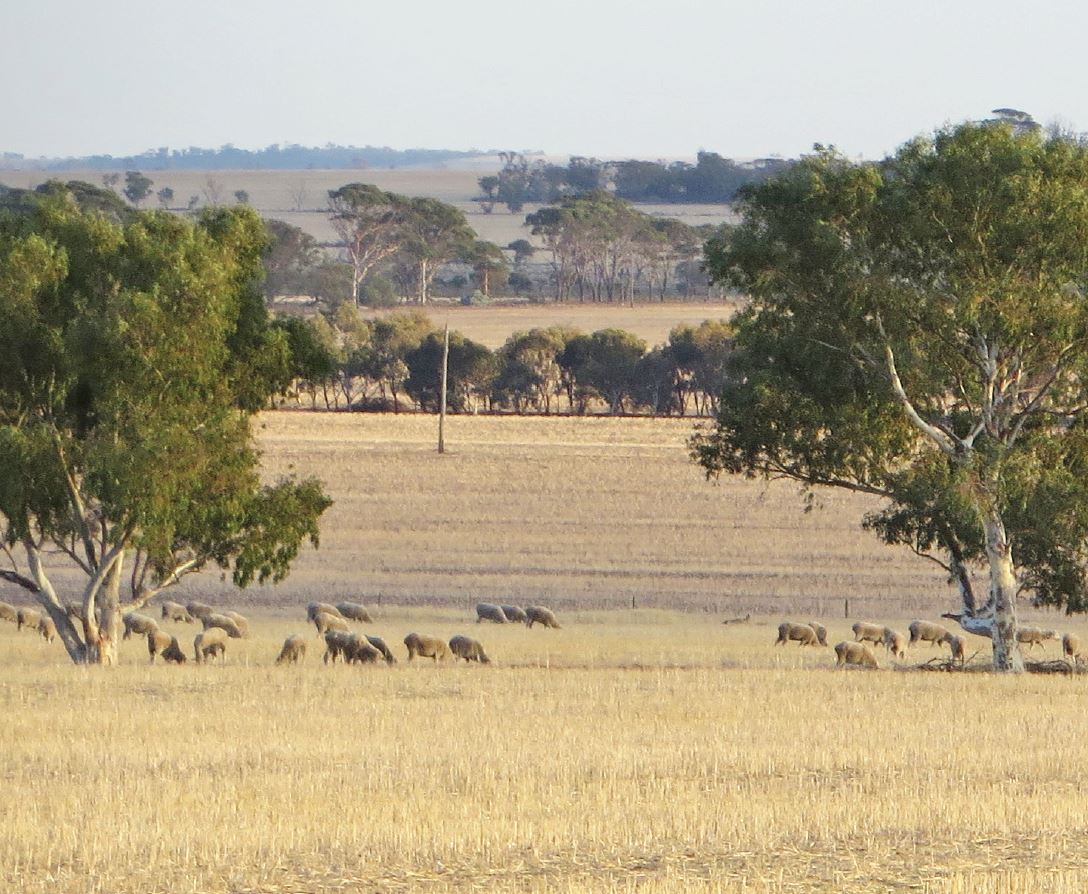
Optimising management of grazing stubbles
Crop stubbles can be a handy feed source over summer, but their quality declines quickly once the grain is eaten. Planning ahead is key to getting the best out of them. The new Grazing Modern Stubbles guide, developed by AWI, MLA and CSIRO, offers practical strategies on nutrition, prioritising stubbles for different classes of stock, the role of supplementary feeding and how to manage animal health risks. This article highlights the key takeaways to help you keep your flock in good condition this summer.
Read more