



Welcome to Australian Wool Innovation, a hub for the woolgrowers of Australia.
Not a woolgrower? Looking for information about wool products, wool care or wool processing?
The Woolmark Company is the global authority on wool. Visit Woolmark.com instead.


AWEX EMI
1716
+23
Micron 17
2298
+22
Micron 18
2233
+42
Micron 19
2131
+48
Micron 20
2048
+36
Micron 21
2015
+24
Micron 25
1012
-
Micron 26
895
+17
Micron 28
705
-
Micron 32
505
+12
Micron 16.5
2308
+17
MCar
985
+71
Sustainable worm control with summer-autumn drenching
Hot, dry WA summers once supported “summer drenching,” but this approach drives drench resistance by leaving resistant worms to multiply.
Articles That Might Interest You
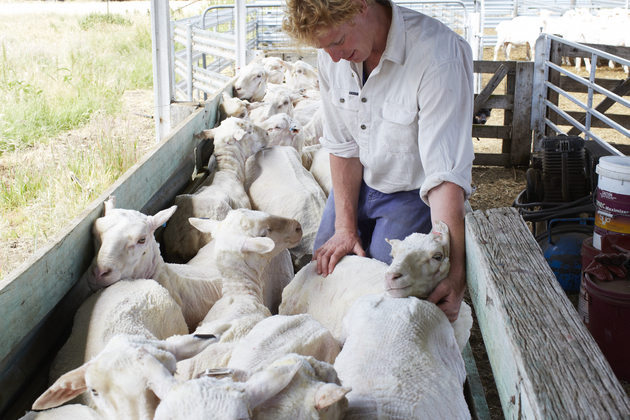
Staying ahead of Barber’s Pole: Managing worm risk in a changing WA climate
Internal parasites remain one of the costliest challenges for WA woolgrowers, but the "rules" of engagement are shifting. Evidence shows barber’s pole worm egg counts are now remaining above risk thresholds year-round in regions previously considered low-risk. This article breaks down the integrated worm management pillars—monitoring, nutrition, grazing, genetics, strategic drenching and vaccinating—required to break the cycle of reinfection and protect your bottom line.
Read more
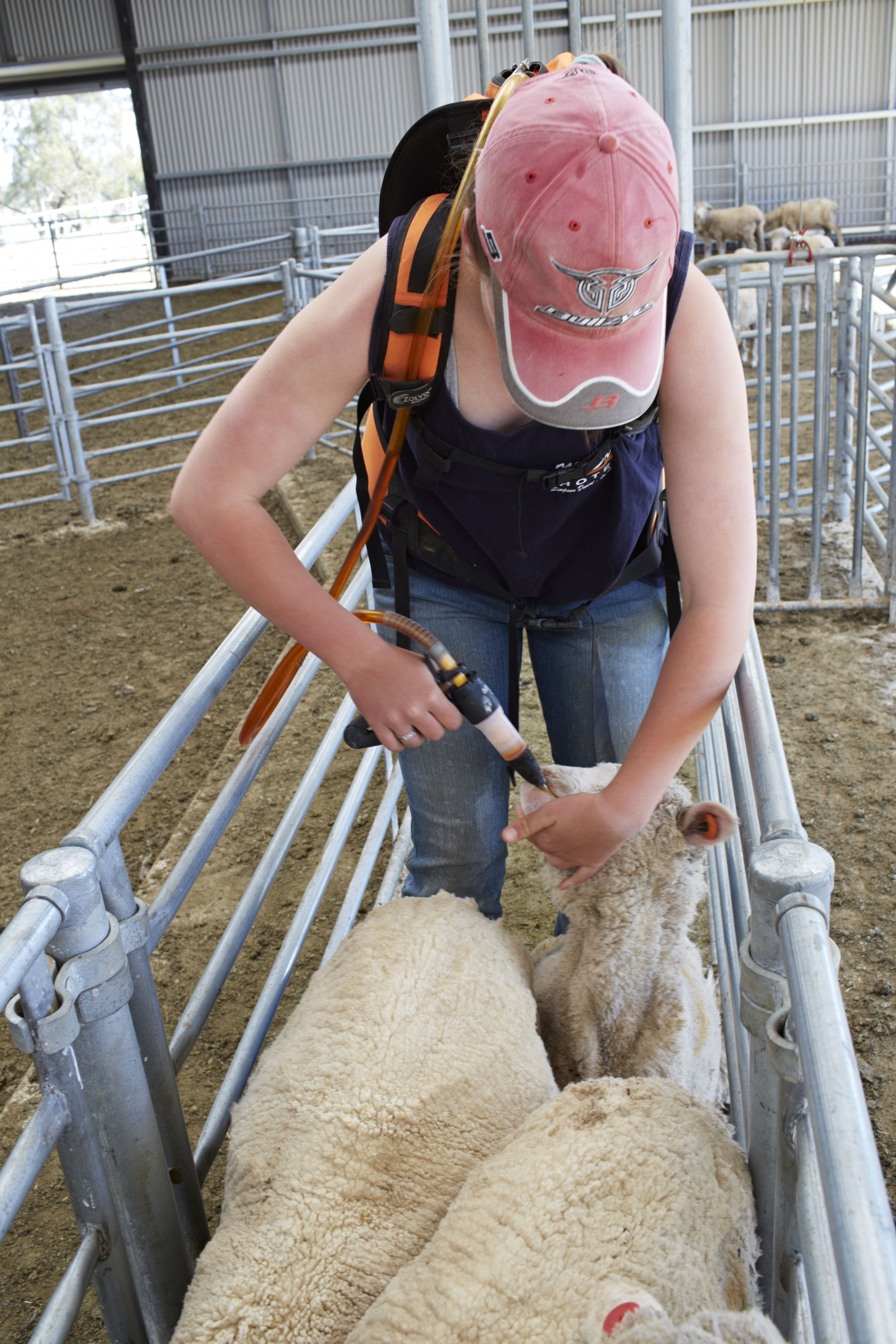
Sustainable worm control with summer-autumn drenching
Hot, dry WA summers once supported “summer drenching,” but this approach drives drench resistance by leaving resistant worms to multiply. Current advice is a summer–autumn drenching program guided by Worm Egg Counts, with strategies like refugia, drench rotation and combination treatments. This article explains how to slow resistance, when to drench different sheep classes across rainfall zones, and how WEC tests support sustainable worm control.
Read more
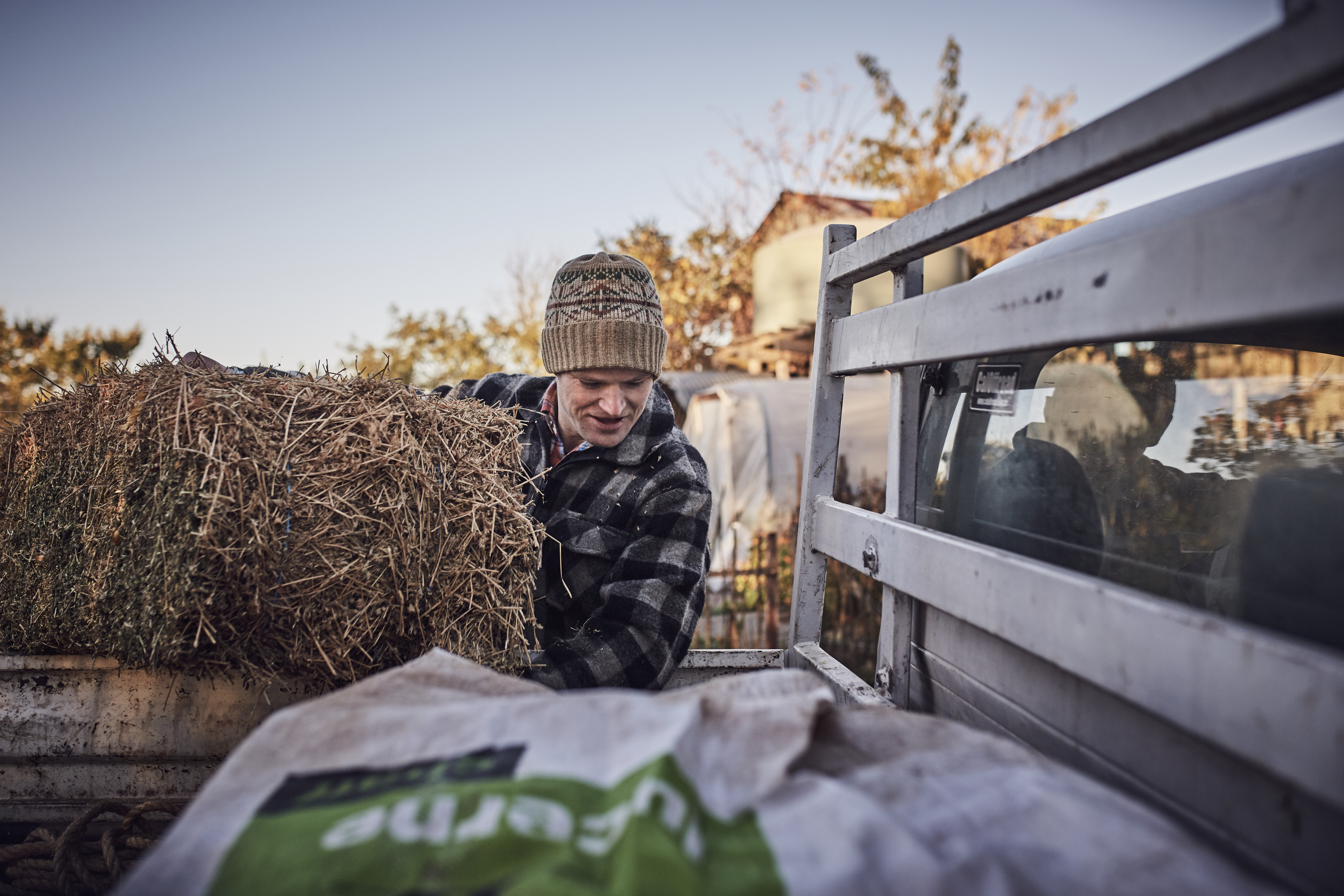
Optimising productivity and profitability with feed tests
Conducting feed tests is an important strategy for meeting your sheep's nutritional needs in the most cost-effective way. This article outlines how feed testing can help optimise productivity and profitability by identifying the true value of different feed sources.
Read more