



Welcome to Australian Wool Innovation, a hub for the woolgrowers of Australia.
Not a woolgrower? Looking for information about wool products, wool care or wool processing?
The Woolmark Company is the global authority on wool. Visit Woolmark.com instead.


AWEX EMI
1873
-28
Micron 17
2542
-49
Micron 18
2455
-40
Micron 19
2269
-29
Micron 20
2131
-20
Micron 21
2097
-17
Micron 26
1090
-50
Micron 28
790
-42
Micron 16.5
2580
-38
MCar
1138
-24
Calcium and magnesium deficiencies in pregnant and lactating ewes
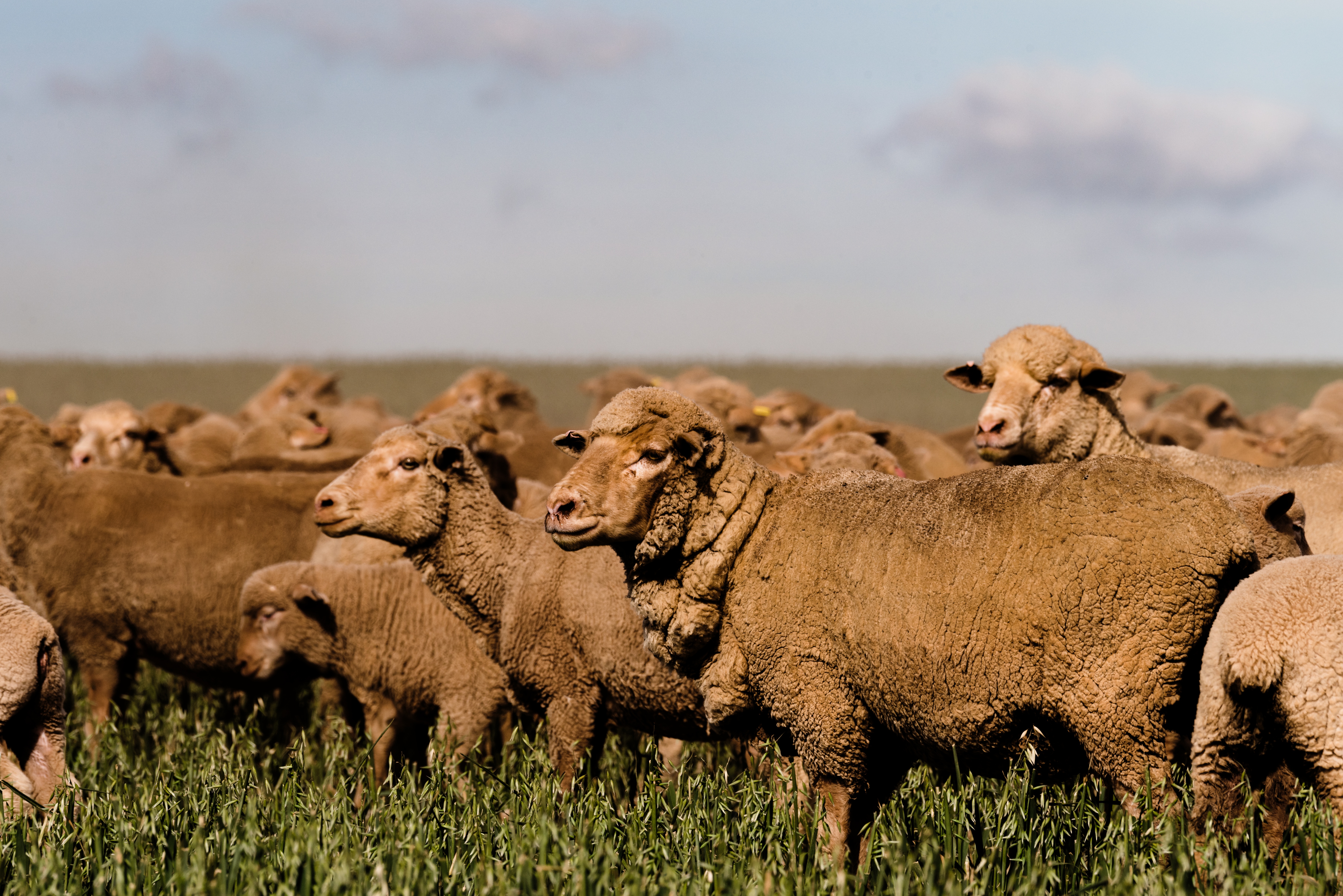
Clinical calcium deficiency (hypocalcaemia or milk fever) can result in ewe deaths either during the last six weeks of pregnancy or during the first month after lambing. Symptoms include muscle tremors, being unable to rise and subsequent death. Clinical magnesium deficiency (hypomagnesaemia or grass tetany) can result in ewe deaths, typically when ewes are grazing grass-dominant pastures or cereal crops in winter and early spring. Symptoms include staggering, incoordination and sudden death. Hypocalcaemia and hypomagnesaemia can cause ewe mortalities, and lambs from affected ewes will usually die. Lambing difficulty and complications from birth may also be increased, reducing survival.
Articles That Might Interest You

Meeting the Mark: Setting Lambs Up for Success
This article outlines best-practice lamb marking practices to improve animal welfare, recovery and lifetime performance. It covers preparation, hygiene, low-stress handling, correct tail docking, effective pain relief, ewe assessment and post-marking care, with practical tips to help WA woolgrowers set lambs up for success.
Read more

Weaning More Lambs
Could earlier weaning help you save feed and improve lamb survival? Getting weaning right can make a big difference to woolgrowers’ bottom line. Read this article to discover practical strategies to improve weaner survival, reduce feed demand and give ewes the best chance to recover before joining.
Read more
Improving Lamb Survival: Practical Steps from Birth to Marking
Most lamb losses occur in the first 48 hours—but small management decisions can make a big difference. This article outlines the key drivers of lamb survival, from ewe condition and scanning to mob size and shelter, to help you get more lambs through to marking.
Read more