



Welcome to Australian Wool Innovation, a hub for the woolgrowers of Australia.
Not a woolgrower? Looking for information about wool products, wool care or wool processing?
The Woolmark Company is the global authority on wool. Visit Woolmark.com instead.

AWEX EMI
1786
+62
Micron 17
2458
+130
Micron 18
2392
+104
Micron 19
2221
+73
Micron 20
2091
+60
Micron 25
1010
+20
Micron 26
840
+12
Micron 28
650
+15
Micron 30
560
+12
Micron 32
508
+20
Micron 16.5
2471
+110
MCar
1052
+10
AWI Change Makers Episode 1: Lambing mob size
Lambing mob size can have a significant impact on lambing rates, particularly in your twin mobs. Join Nathan Scott as he outlines why mob size matters, practical management tips and what you can do in AWI Change Makers Episode 1: Lambing mob size.
Articles That Might Interest You
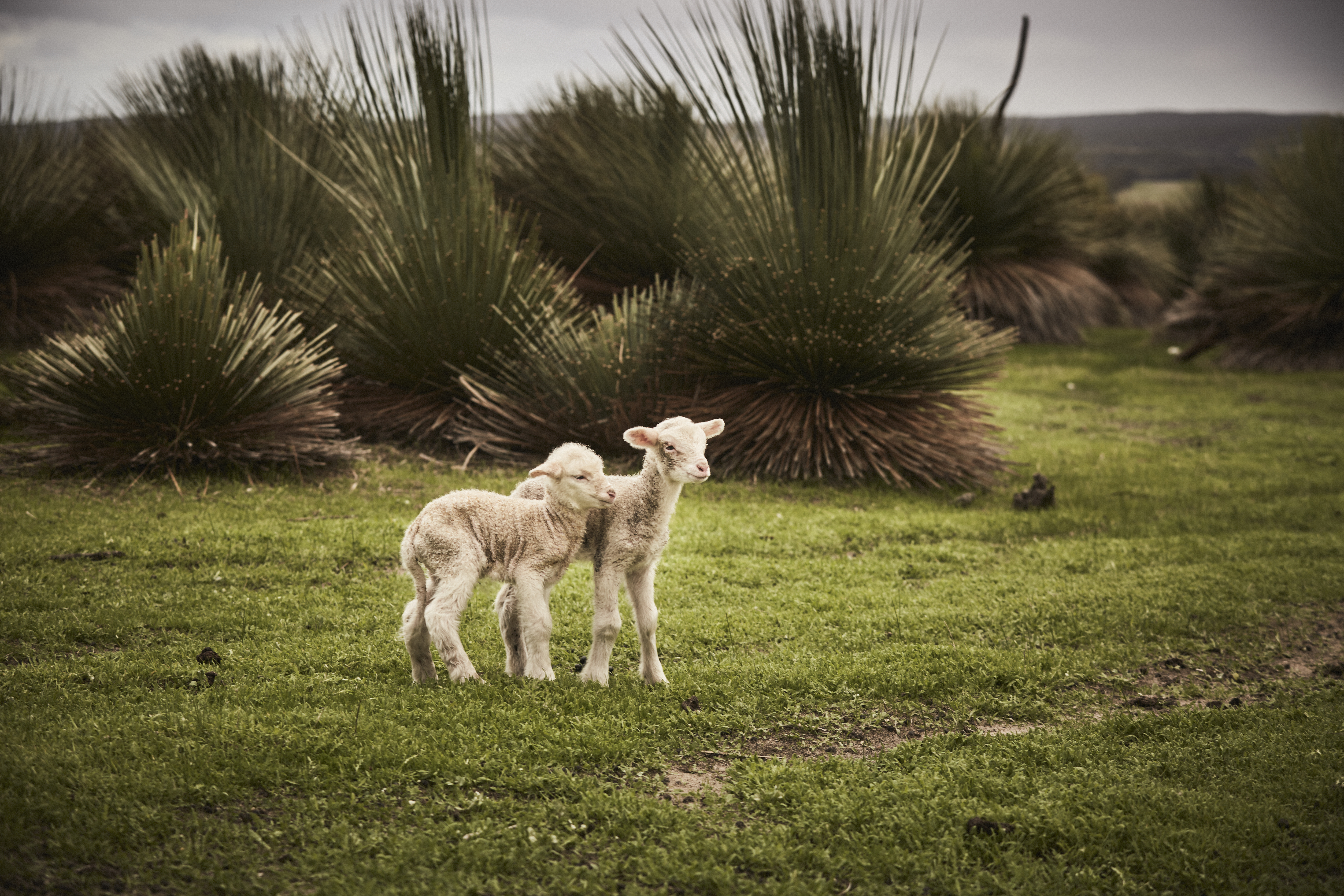
Improving Lamb Survival: Practical Steps from Birth to Marking
Most lamb losses occur in the first 48 hours—but small management decisions can make a big difference. This article outlines the key drivers of lamb survival, from ewe condition and scanning to mob size and shelter, to help you get more lambs through to marking.
Read more
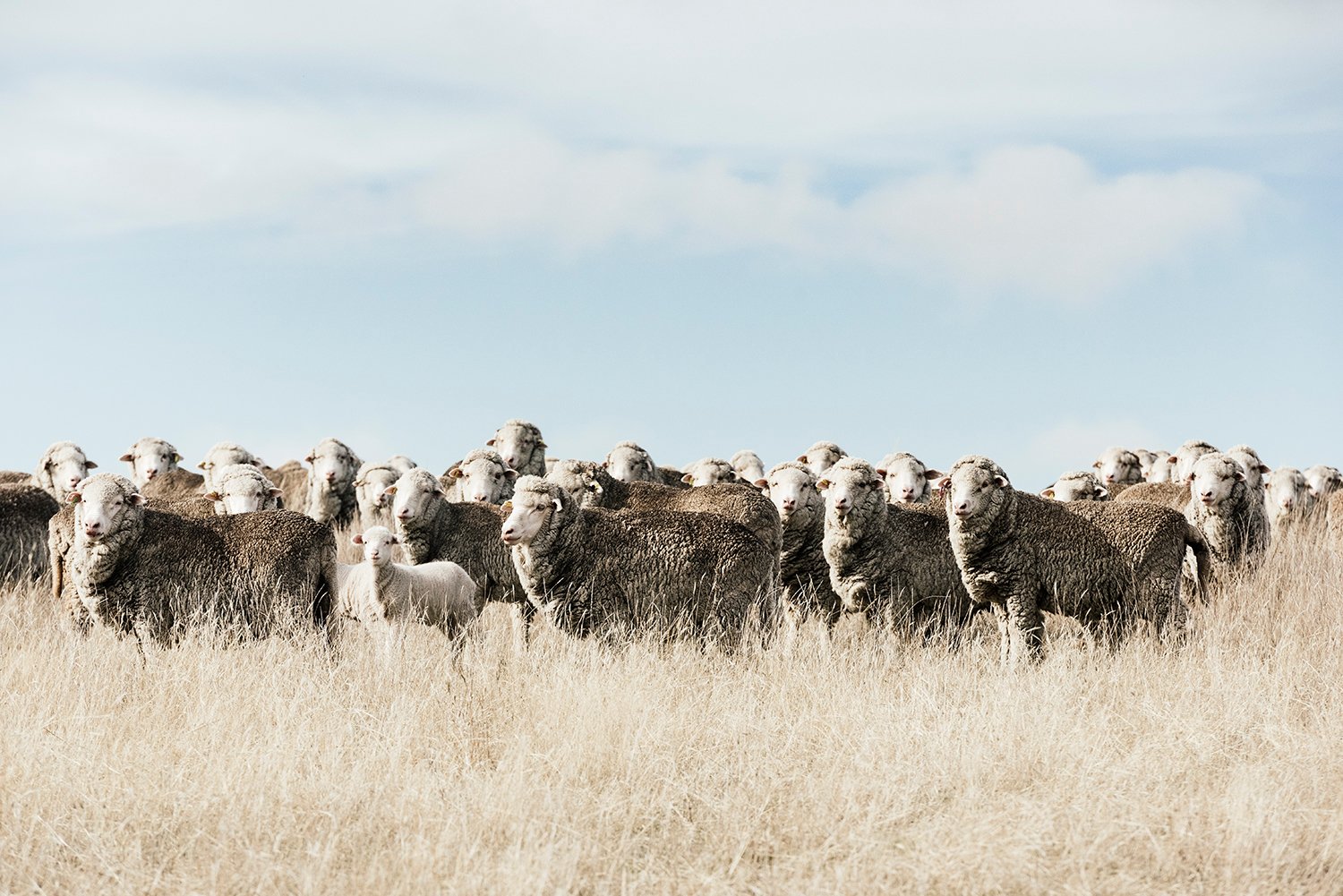
Improving conception, scanning results and lamb survival
Improving conception, scanning, and lamb survival is a multi-faceted game that begins months before the rams go out. This guide outlines the critical links between pre-joining nutrition, mating duration, and pregnancy management, providing Western Australian woolgrowers with a roadmap to optimise ewe energy reserves and lift whole-flock productivity through the challenging summer-autumn period.
Read more
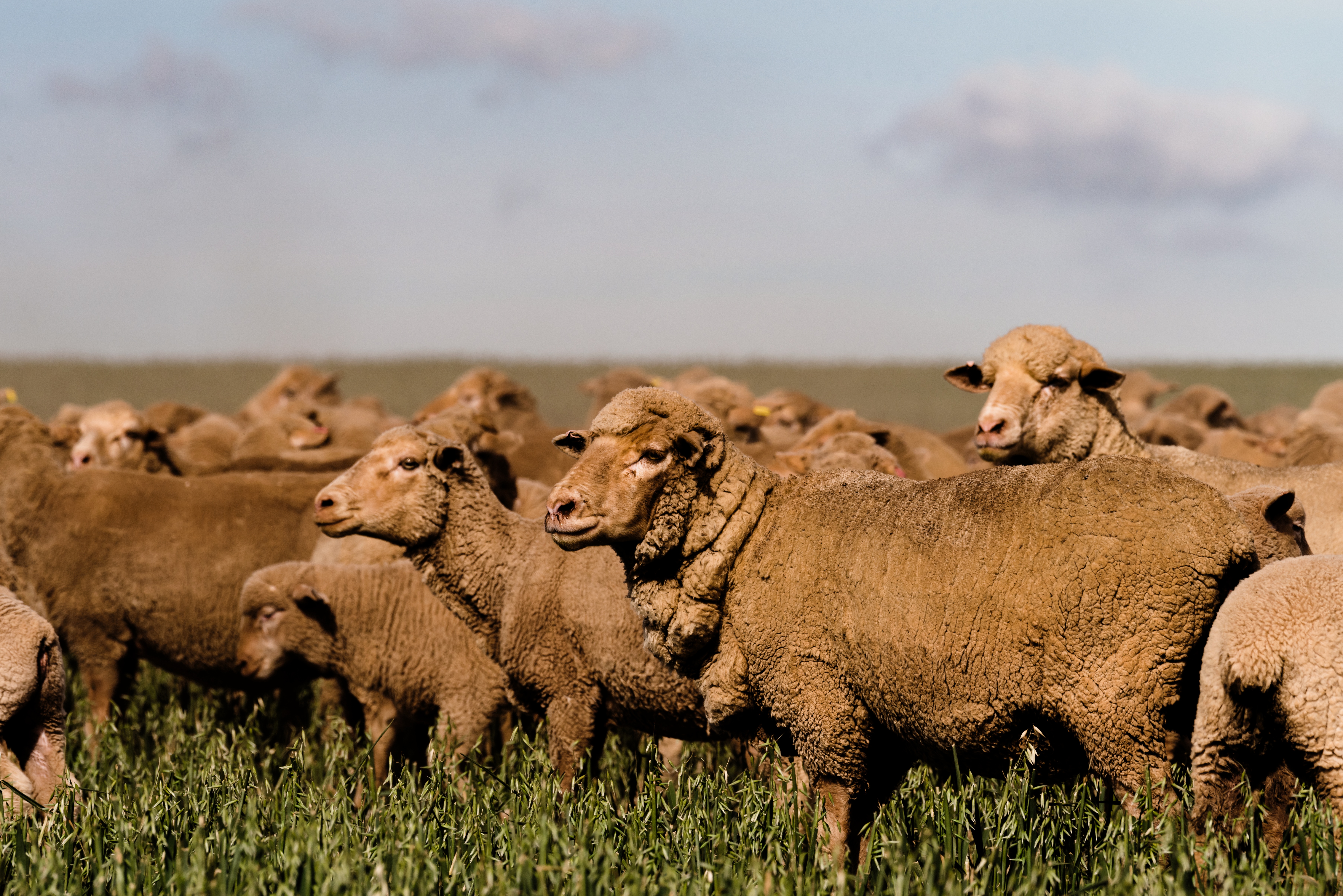
Recognising and preventing metabolic disease in lambing ewes
Optimising ewe nutrition during pregnancy and lactation is critical for the health, productivity and survival of ewes and their lambs. This article covers risk factors, what to look for, and how to prevent and treat two of the common metabolic disorders seen in pregnant and lactating ewes – pregnancy toxaemia and hypocalcemia.
Read more