



Welcome to Australian Wool Innovation, a hub for the woolgrowers of Australia.
Not a woolgrower? Looking for information about wool products, wool care or wool processing?
The Woolmark Company is the global authority on wool. Visit Woolmark.com instead.


AWEX EMI
1785
-18
Micron 17
2593n
-15
Micron 18
2455
-33
Micron 19
2224
-27
Micron 20
1946
-30
Micron 21
1813
-23
Micron 26
985
-25
Micron 28
747
-21
Micron 30
700
-13
Micron 16.5
2615
-27
MCar
1101
-12
Strategies to increase conception and reproductive rates

Joining is fast approaching for many woolgrowers in WA, whilst some of you will have already joined. We’ve pulled some information together to provide a refresher on the key factors which influence joining outcomes.
Articles That Might Interest You
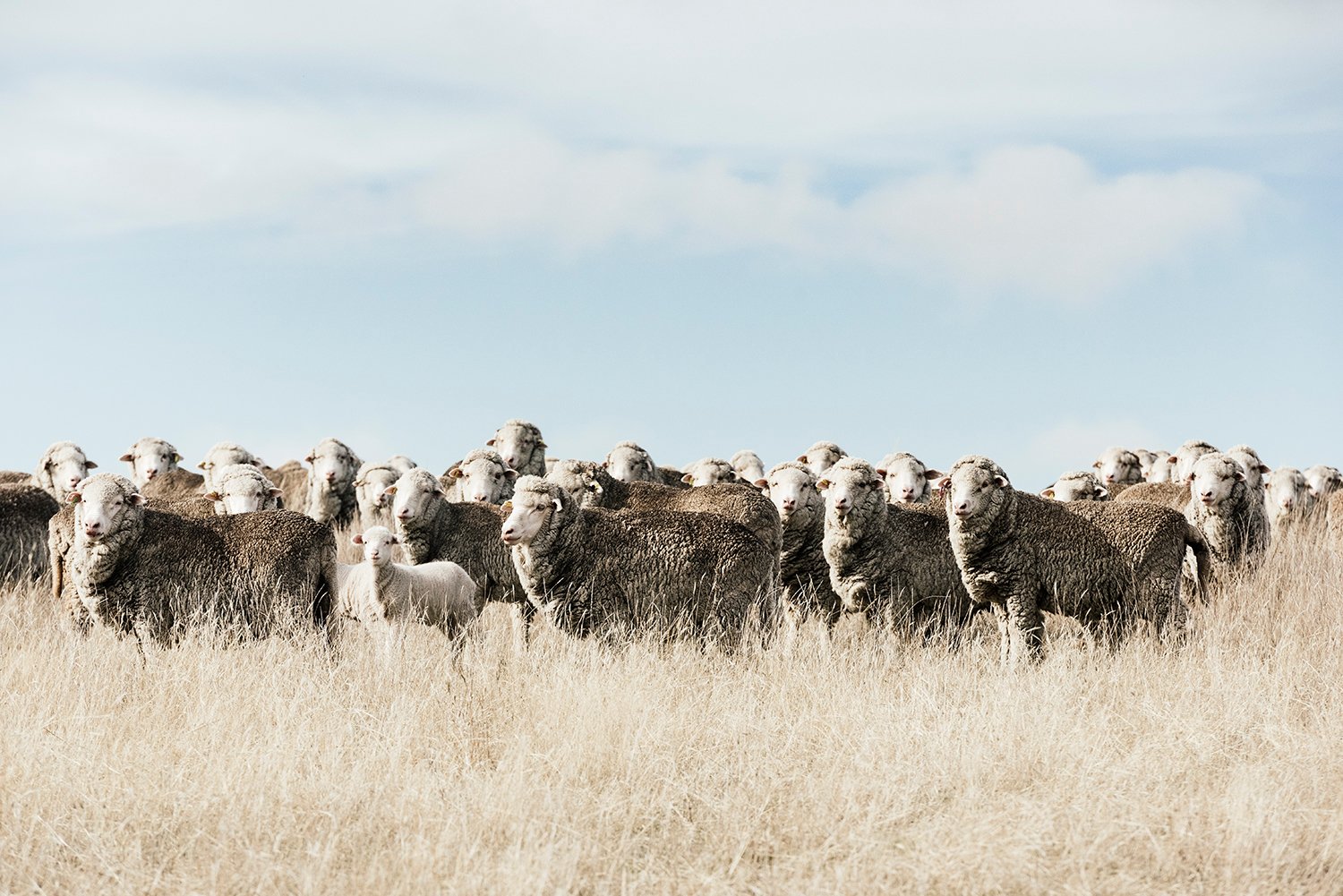
Improving conception, scanning results and lamb survival
Improving conception, scanning, and lamb survival is a multi-faceted game that begins months before the rams go out. This guide outlines the critical links between pre-joining nutrition, mating duration, and pregnancy management, providing Western Australian woolgrowers with a roadmap to optimise ewe energy reserves and lift whole-flock productivity through the challenging summer-autumn period.
Read more
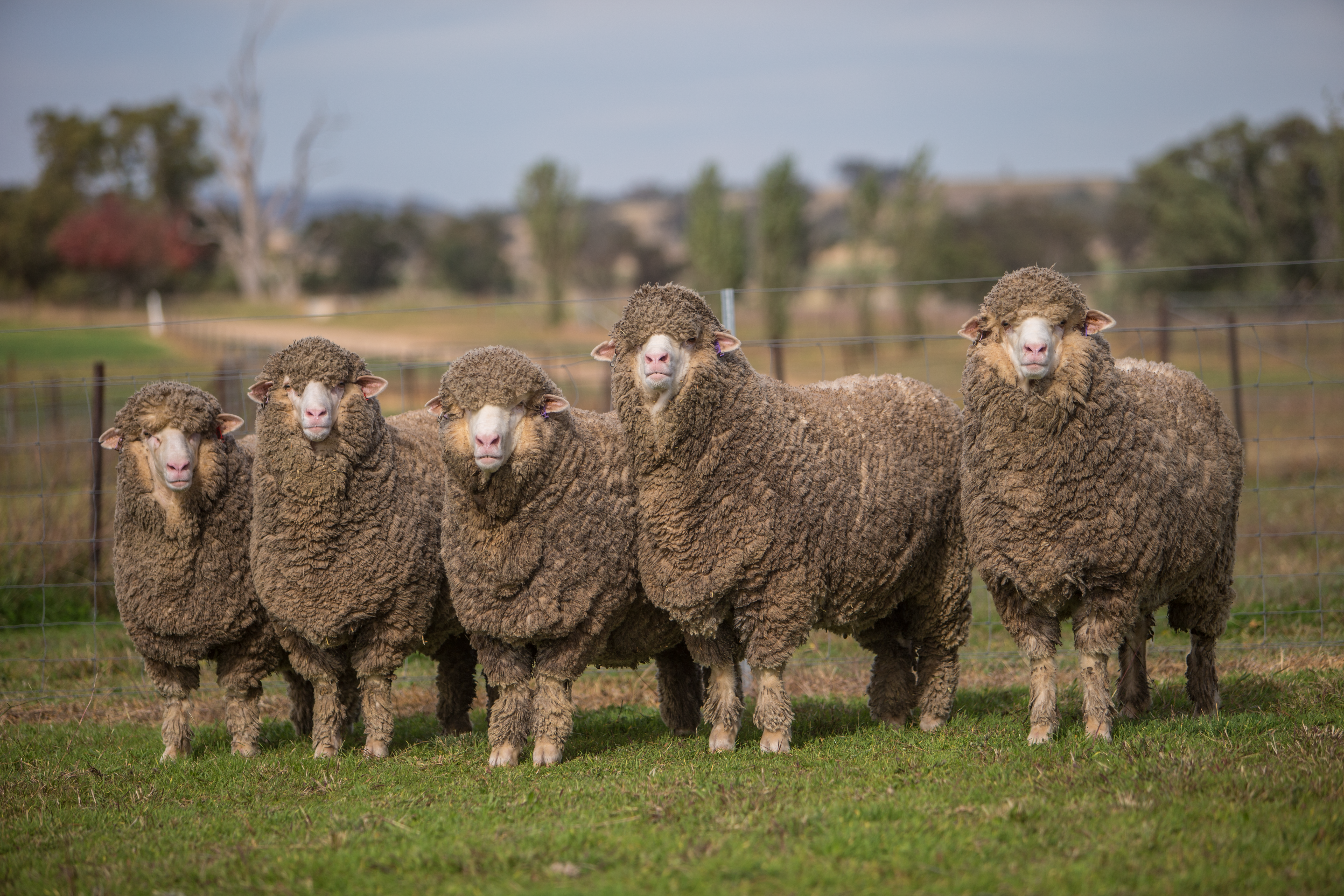
Mastering Sheep Breeding Values and Selection Indexes
Getting started with ASBVs and Selection Indexes can help woolgrowers make faster, smarter breeding decisions and improve flock profitability. It’s not just about chasing numbers — understanding an animal’s genetic merit helps you select sheep that fit your system and drive profit. This article breaks down the basics, including how ASBVs work, what Selection Indexes do and practical steps stud and commercial breeders are taking to make these tools work for you.
Read more
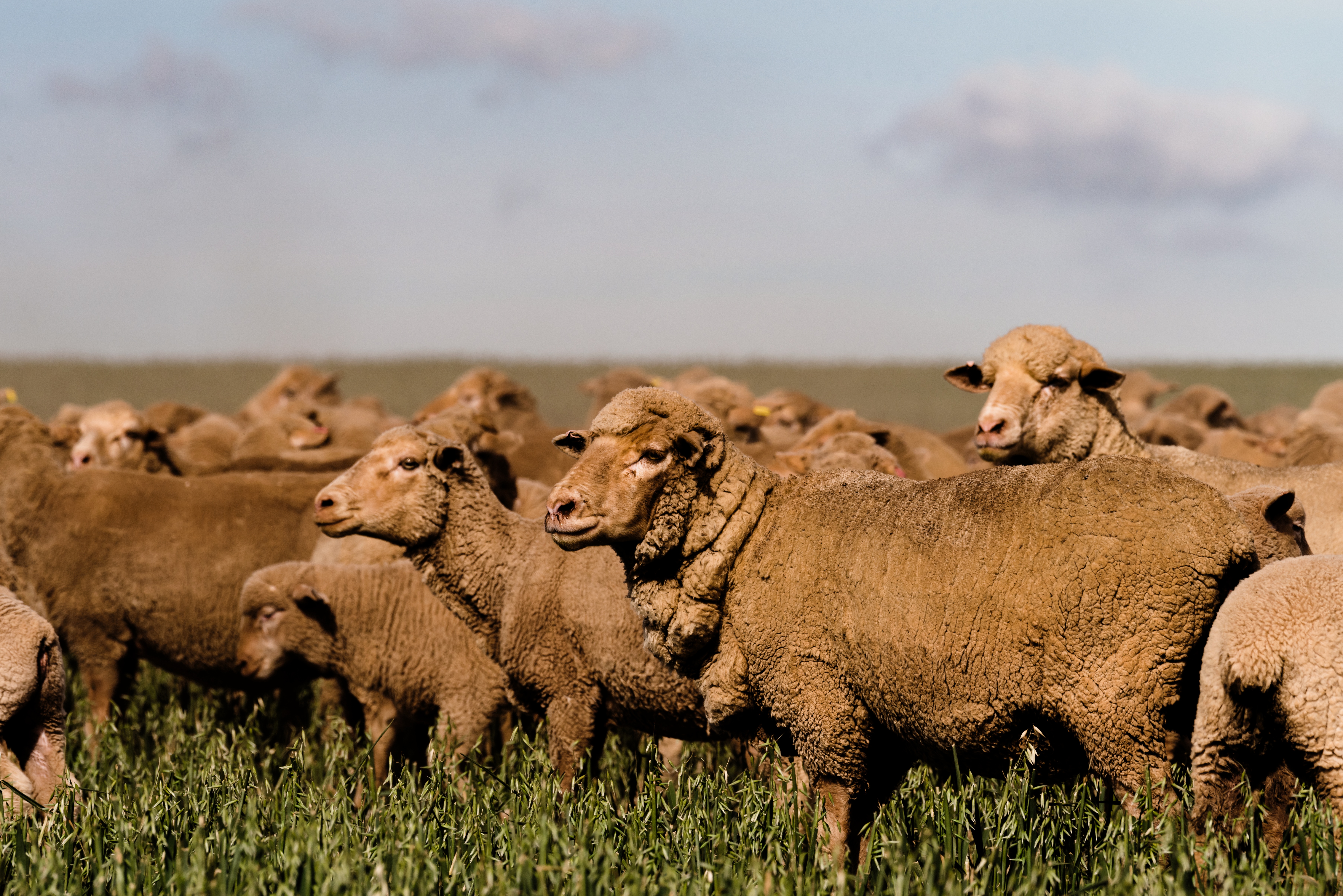
Recognising and preventing metabolic disease in lambing ewes
Optimising ewe nutrition during pregnancy and lactation is critical for the health, productivity and survival of ewes and their lambs. This article covers risk factors, what to look for, and how to prevent and treat two of the common metabolic disorders seen in pregnant and lactating ewes – pregnancy toxaemia and hypocalcemia.
Read more