



Welcome to Australian Wool Innovation, a hub for the woolgrowers of Australia.
Not a woolgrower? Looking for information about wool products, wool care or wool processing?
The Woolmark Company is the global authority on wool. Visit Woolmark.com instead.

AWEX EMI
1786
+62
Micron 17
2458
+130
Micron 18
2392
+104
Micron 19
2221
+73
Micron 20
2091
+60
Micron 25
1010
+20
Micron 26
840
+12
Micron 28
650
+15
Micron 30
560
+12
Micron 32
508
+20
Micron 16.5
2471
+110
MCar
1052
+10
Wool harvesting engagement checklist
The Wool Harvesting Engagement Checklist is an initiative of the National Wool Harvesting and Training (NWHAT) Advisory Group to assist Shearing Contractors and Woolgrowers (Client) in ensuring wool harvesting is conducted in an agreed and professional manner, with due care for staff, wool clip quality, safety and animal welfare.
Articles That Might Interest You
Smarter Shearing: How WA Woolgrowers Can Improve Productivity, Welfare and Shed Culture
This article shares how WA woolgrowers can achieve a more productive and safer shearing—covering shed preparation, sheep handling, effective communication and ways to support contractors facing low sheep numbers, with practical steps you can take now to get ready for your next shearing and keep good shearers in your region.
Read more
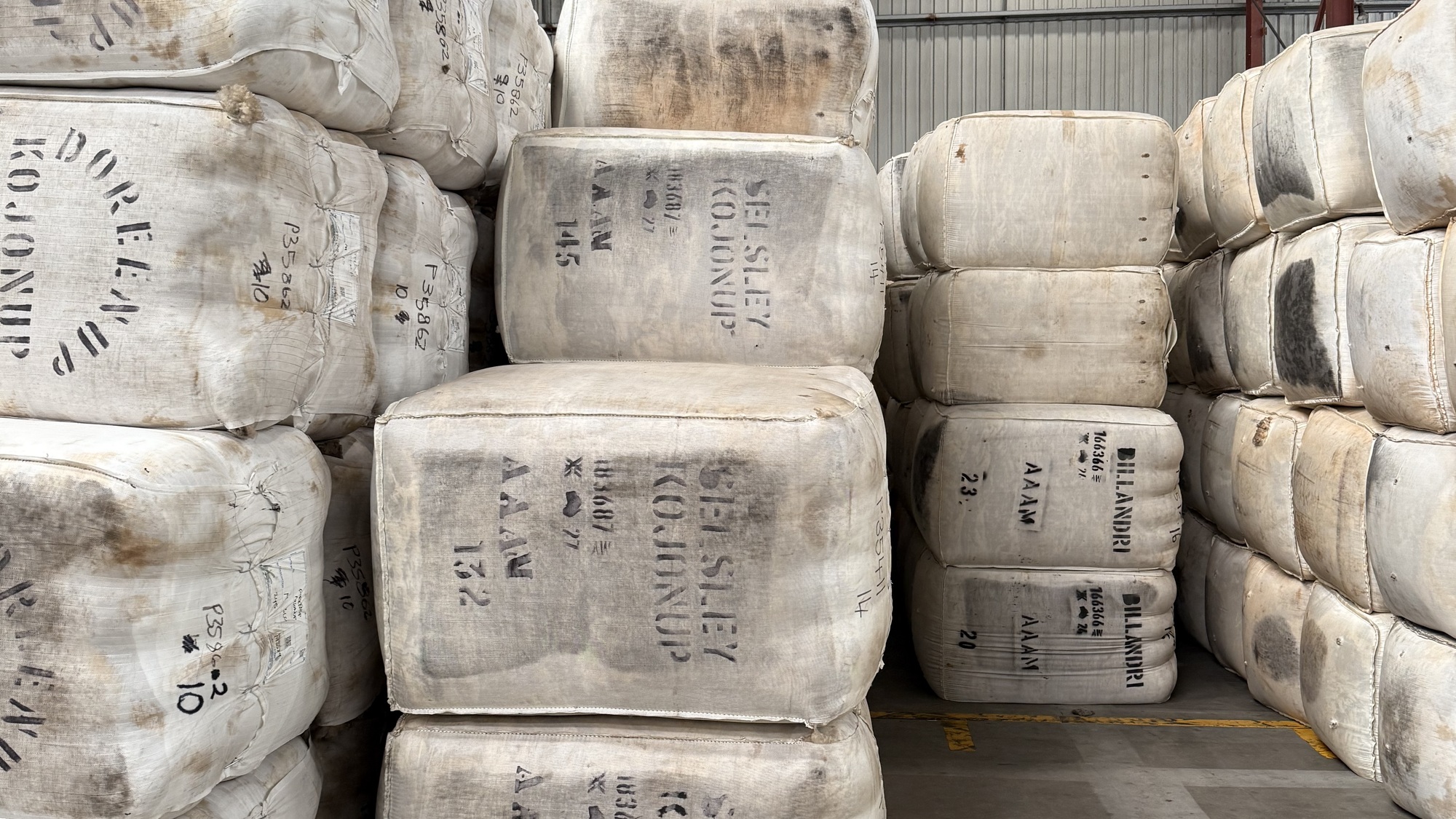
Maximising Your Clip’s Value: Understanding Wool Prices and Managing Risk
This article explores how WA woolgrowers can maximise returns by aligning their clip with modern market demand—covering the 40–70mm staple-length "sweet spot," the impact of staple strength and effective contamination control. It provides practical steps to move beyond production risk by using tools like forward contracts and price hedging, helping you protect your margins and make informed, data-driven selling decisions in a volatile global market.
Read more
Best-practice shearing and crutching
Ensuring shearing sheds are safe workplaces not only helps to reduce injuries and accidents but also helps to attract and retain shearers and shed staff, and improve productivity and profitability of the wool industry. This article dives further into best-practice shearing and crutching.
Read more