



Welcome to Australian Wool Innovation, a hub for the woolgrowers of Australia.
Not a woolgrower? Looking for information about wool products, wool care or wool processing?
The Woolmark Company is the global authority on wool. Visit Woolmark.com instead.


AWEX EMI
1890
+37
Micron 17
2623
+73
Micron 18
2532
+71
Micron 19
2313
+25
Micron 20
2132
+20
Micron 21
2041n
+15
Micron 25
1228n
-
Micron 28
860
+25
Micron 30
763
+48
Micron 16.5
2664
+75
MCar
1090
+8
Driving productivity with EID
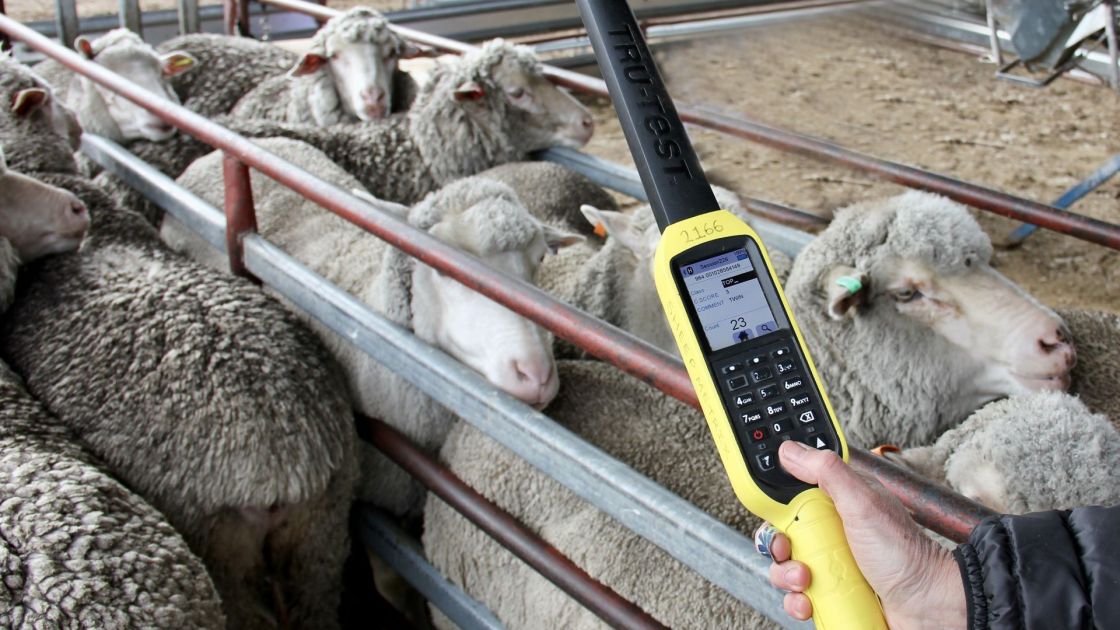
Electronic identification tags (EID) are becoming mandatory, so why not make the most of the technology to help you achieve the goals of your sheep enterprise? We've pulled together some information to help you utilise data collected via EID to increase productivity and profit.
Articles That Might Interest You

Working Smarter using Artificial Intelligence (AI)
Artificial Intelligence (AI) isn't just for tech companies—it's already helping woolgrowers save time in the office and make better use of their farm data. Discover practical ways AI can help with paperwork, EID data analysis, staff communication and decision-making, plus a glimpse at some of the exciting technologies for the wool industry on the horizon.
Read more

Wool Marketing Masterclass: Growing Global Demand for WA Wool
What happens to your wool after it leaves the farm gate? Discover how AWI and The Woolmark Company are building global demand for Australian wool through major brand partnerships, consumer campaigns and sustainability initiatives. From Venus Williams wearing Merino on the world stage to campaigns challenging synthetic fibres, learn how international marketing efforts are helping create stronger demand—and what WA woolgrowers can do to support these marketing efforts.
Read more
Smart Wool: Turning Tech Into Profit for WA Woolgrowers
Want to get more from tech without wasting money or time? In this article, Mark Ferguson shares how woolgrowers can turn tech into real profit—starting with the basics like pregnancy scanning and condition scoring. From capturing EID data at marking to applying the 80/20 rule on tech investments, it’s packed with practical, low-cost strategies to lift productivity.
Read more