



Welcome to Australian Wool Innovation, a hub for the woolgrowers of Australia.
Not a woolgrower? Looking for information about wool products, wool care or wool processing?
The Woolmark Company is the global authority on wool. Visit Woolmark.com instead.


AWEX EMI
1890
+37
Micron 17
2623
+73
Micron 18
2532
+71
Micron 19
2313
+25
Micron 20
2132
+20
Micron 21
2041n
+15
Micron 25
1228n
-
Micron 28
860
+25
Micron 30
763
+48
Micron 16.5
2664
+75
MCar
1090
+8
Hypocalcaemia fact sheet
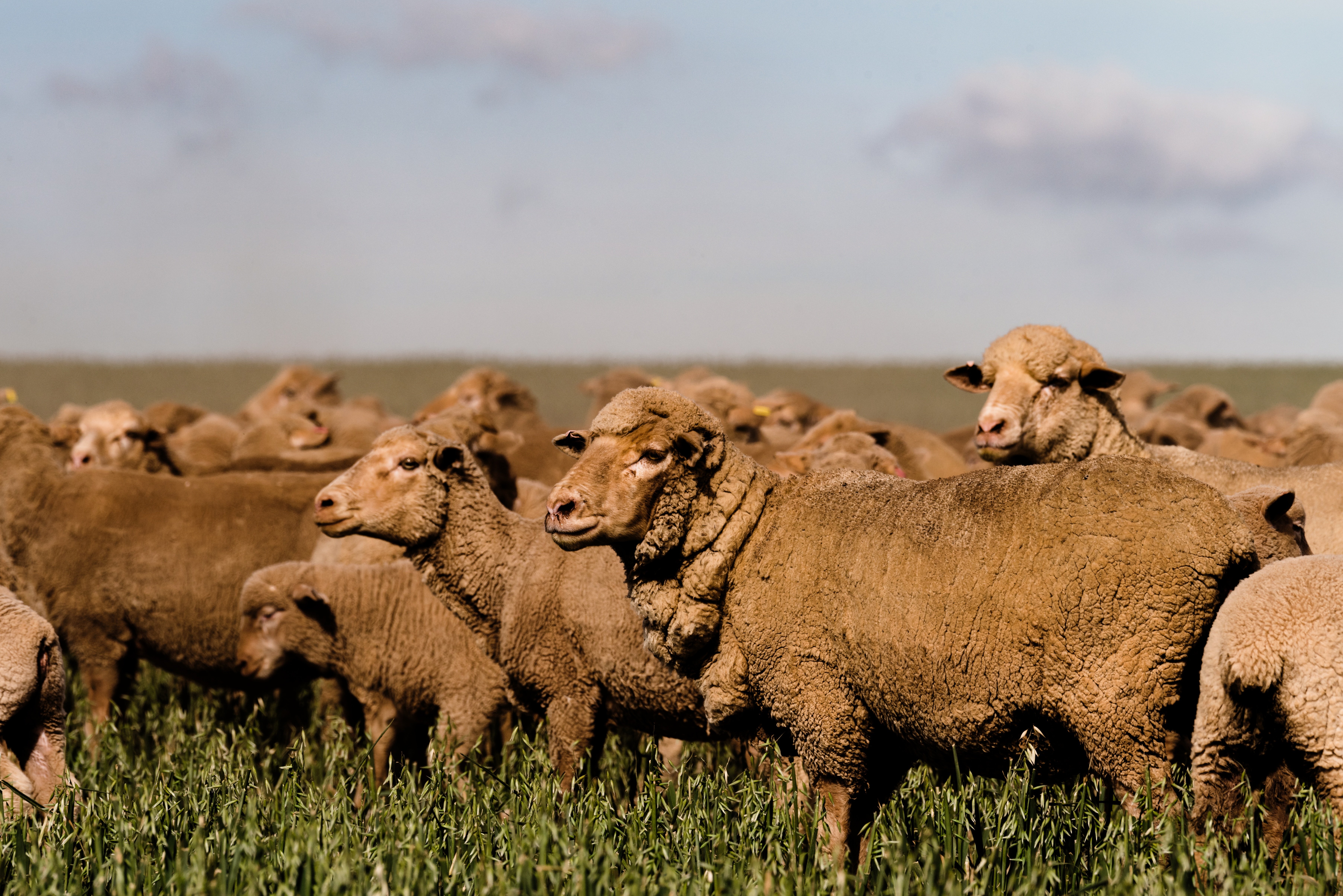
Hypocalcaemia is caused by the animal being unable to mobilise calcium from the bone quickly enough to maintain normal blood calcium levels, or when compounds (known as oxalates) bind up the calcium in the blood. Ewes in their last six weeks of pregnancy and in the first month of lactation are most at risk as during this time the ewe is providing calcium for lamb bone development and milk production. Older ewes are more susceptible to hypocalcaemia.
Articles That Might Interest You

Meeting the Mark: Setting Lambs Up for Success
This article outlines best-practice lamb marking practices to improve animal welfare, recovery and lifetime performance. It covers preparation, hygiene, low-stress handling, correct tail docking, effective pain relief, ewe assessment and post-marking care, with practical tips to help WA woolgrowers set lambs up for success.
Read more

Weaning More Lambs
Could earlier weaning help you save feed and improve lamb survival? Getting weaning right can make a big difference to woolgrowers’ bottom line. Read this article to discover practical strategies to improve weaner survival, reduce feed demand and give ewes the best chance to recover before joining.
Read more
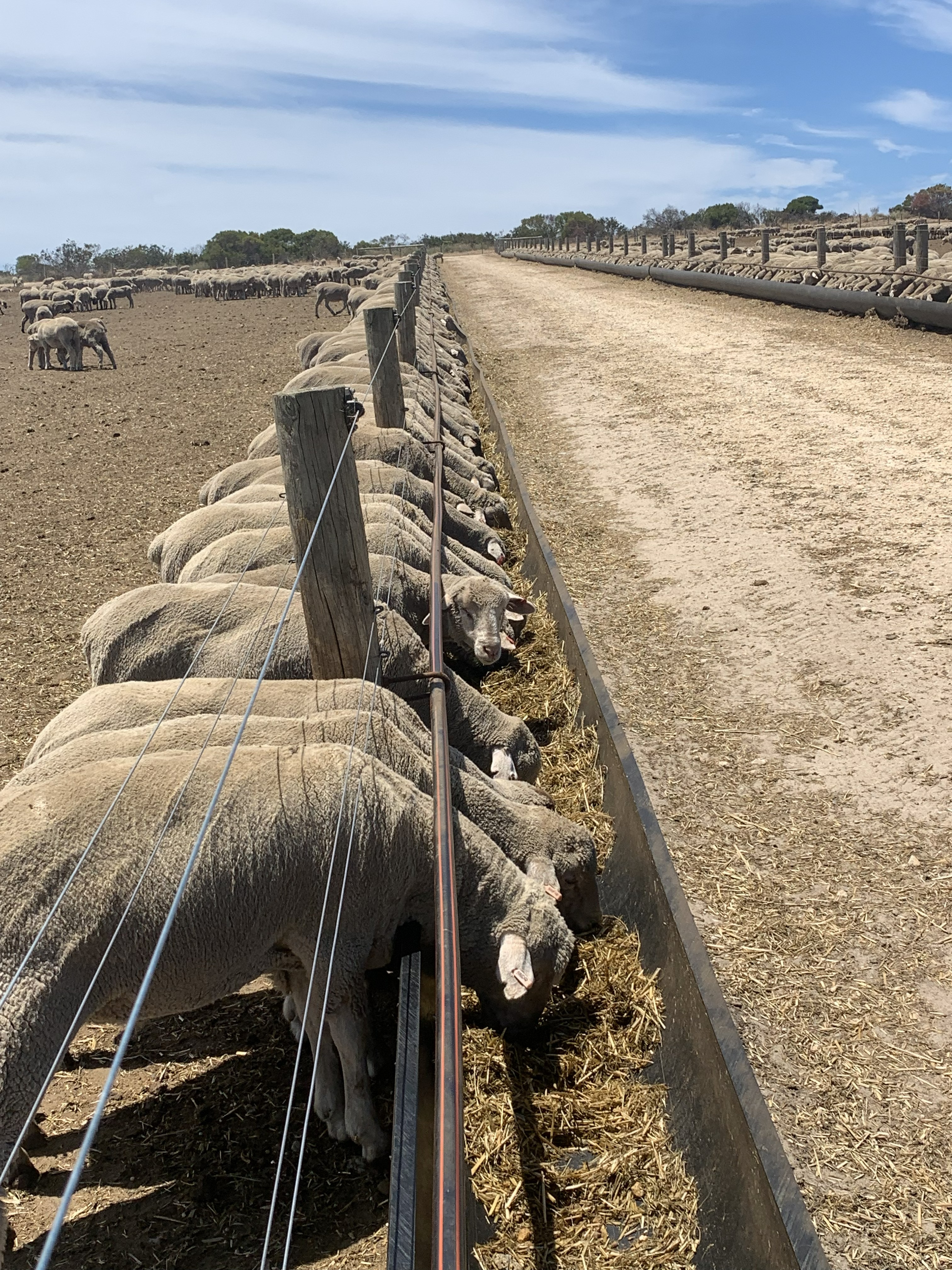
The WA woolgrower’s guide to containment feeding
Containment feeding has become a vital tool for WA woolgrowers to protect soils and maintain or increase stock condition through the increasingly long summer-autumn feed gap. This guide provides practical steps on site selection, nutrition and infrastructure, featuring expert insights from Esperance woolgrower Simon Fowler on how to lift flock performance while reducing costs through containment feeding.
Read more