




Improving Lamb Survival: Practical Steps from Birth to Marking
Most lamb losses occur in the first 48 hours—but small management decisions can make a big difference. This article outlines the key drivers of lamb survival, from ewe condition and scanning to mob size and shelter, to help you get more lambs through to marking.
Lamb survival from birth to marking is a key driver of flock productivity, with most outcomes determined in the first 48 hours of life. This short window accounts for around 70% of lamb losses—primarily due to dystocia and the MSE complex (mismothering, starvation and exposure)—costing the Australian sheep industry an estimated $100 million annually.
While genetics matter, survival is largely a management game. For WA woolgrowers wanting to maximise lamb survival this year, the biggest gains come from "stacking" proven practices: maintaining ewes at a condition score 3.0+, using pregnancy scanning to prioritise multiples, and providing strategic shelter to mitigate wind chill.
Preparation makes the difference. From ewe nutrition and mob size to paddock selection, every decision impacts marking rate. Focusing on survival now doesn’t just lift lamb numbers—it builds a more resilient, productive flock over time. This article outlines the essential steps to maximise lamb survival on your property.
Late pregnancy nutrition sets the foundation
The final six to eight weeks of pregnancy account for the majority of foetal growth. During this time, ewe energy and protein requirements increase sharply, particularly for twin and triplet bearing ewes. If nutritional demands are not met, ewes are more likely to lose condition, produce lighter lambs and have reduced colostrum production, all of which negatively impact lamb survival.
Maintaining ewes at around condition score 3 at lambing is a key driver of lamb birthweight, vigour and mothering ability. Ewes that lamb in lower condition are more likely to produce insufficient colostrum and struggle to meet the energy demands of early lactation. A late break can make this particularly challenging. Planning, feed budgeting and timely supplementation are critical tools to avoid late pregnancy condition loss. Consider putting your ewes in your containment feeding area for a good eight weeks before lambing so that they are lambing in better condition to improve lamb survival.
Pregnancy scanning and targeted management
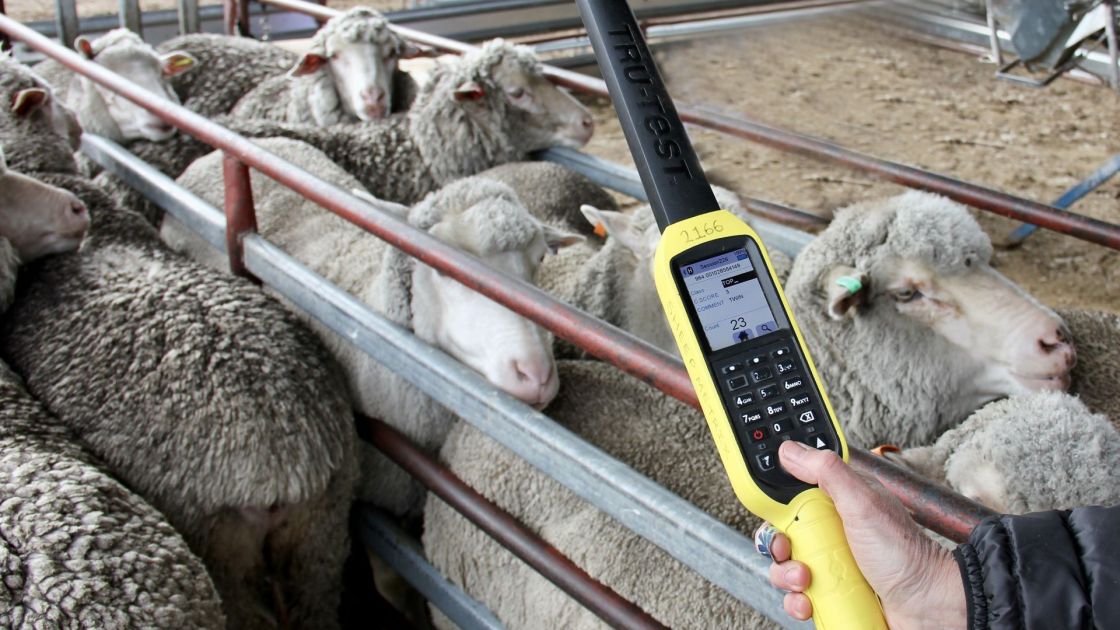
Pregnancy scanning provides one of the most effective decision-making tools to improve lamb survival. Identifying dry ewes, singles and multiples allows nutrition to be better matched to demand and enables targeted management of higher risk groups. Twin and triplet bearing ewes require higher energy intakes in late pregnancy and benefit from being managed separately where practical.
When scanning for single or twin status, the recommended time is from 80 to 100 days after the commencement of joining. After 100 days, it becomes harder to accurately differentiate between single and multiple foetuses.
Managing multiples as separate cohorts can also reduce mismothering risk at lambing, particularly when combined with smaller mob sizes and appropriate paddock selection. While separating mobs and running them in smaller groups may not be feasible in all systems, even partial implementation can deliver meaningful gains. Using scanning results to prioritise feed allocation and management attention is a proven strategy for lifting marking rates.
Lambing paddock selection and mob size
The lambing environment plays a significant role in survival outcomes. Lambing paddocks should provide adequate feed availability, ground cover and protection from prevailing weather conditions, while minimising disturbance. Exposure to cold, wet and windy conditions increases the risk of hypothermia, particularly for multiple-born lambs with lower birthweights.
Mob size is another important consideration. Smaller mobs reduce competition, allow ewes to establish strong bonds with their lambs, and make it easier to observe behaviour and intervene when issues arise. Disturbance during lambing should be kept to a minimum, with yarding, handling and unnecessary movements avoided wherever possible. Where lambing occurs over an extended period, rotating mobs into fresh paddocks can help maintain feed quality and ground cover. Research shows that smaller mob sizes reduce the number of lambs born per day in a given area, lowering mismothering risk. Reducing mob size by 100 ewes can increase survival of twin-born lambs by around 2.25%.
Colostrum intake and early lamb vigour
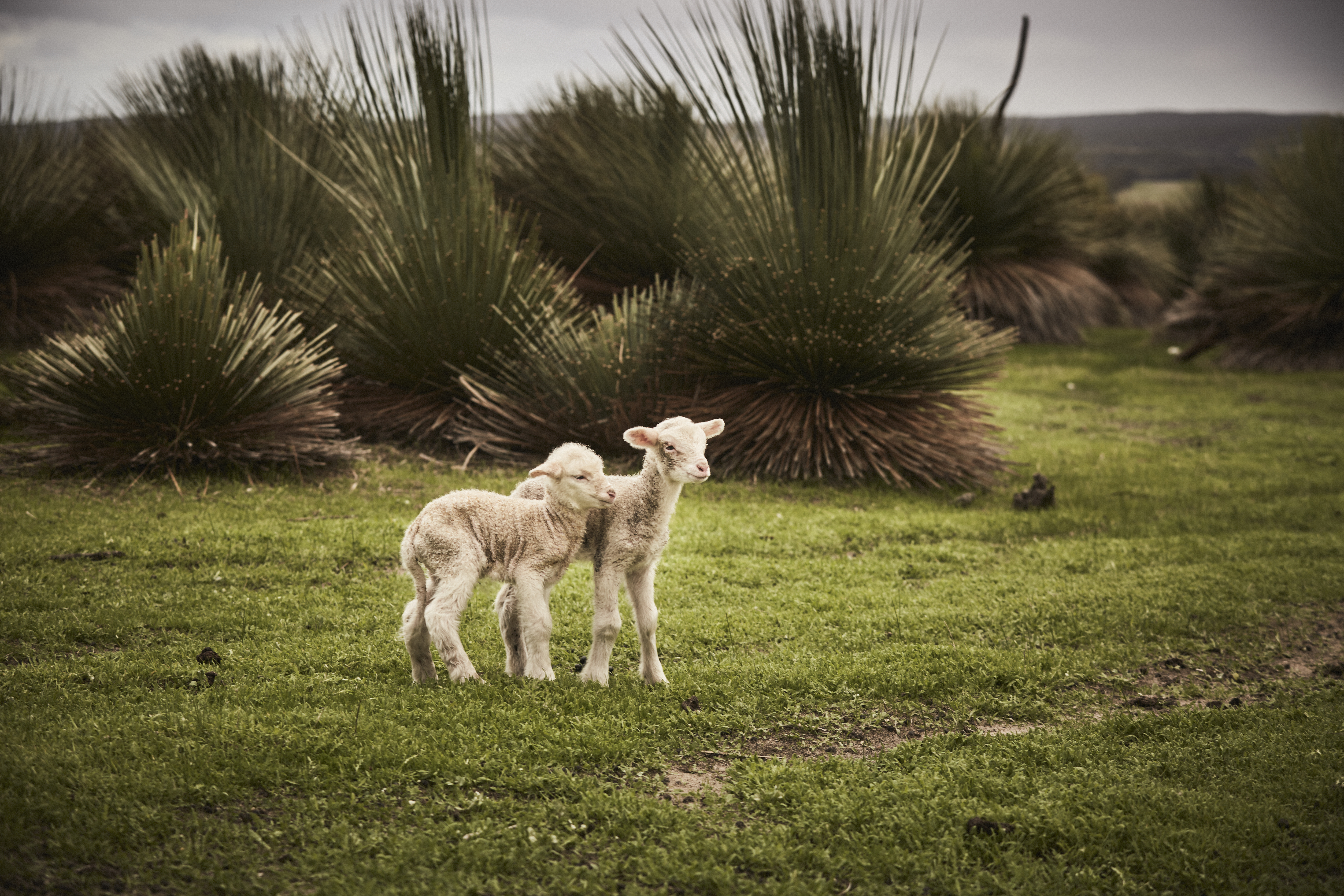
Colostrum intake in the first few hours after birth is critical for lamb survival. Colostrum provides the energy required to maintain body temperature and the antibodies needed for disease protection. Lambs that are slow to stand and suckle are at significantly higher risk of hypothermia, starvation and early mortality.
Ewe nutrition in late pregnancy is the primary driver of colostrum volume and quality. Maiden ewes, multiple-bearing ewes and those in lower condition should be monitored closely during lambing. Early intervention—such as assisting mismothered lambs, ensuring access to the udder, or providing shelter during extreme weather—can have a significant impact on survival when done promptly.
Imprint feeding and early feed exposure
Imprint feeding can support lamb performance beyond the neonatal period and through to weaning. It involves introducing lambs to supplementary feed while they are still running with their mothers, helping them learn feed recognition and feeding behaviour early in life.
While it does not directly reduce losses in the first 72 hours, imprint feeding can improve resilience and growth later in the production cycle. Lambs exposed to supplementary feed early are more likely to adapt quickly at weaning, during feed shortages, or when transitioning onto containment or backgrounding rations.
Imprint feeding works best when ewe nutrition is already well managed, as lambs rely primarily on milk for early growth. Providing palatable feed in areas where lambs naturally congregate—such as near water points or resting areas—can improve uptake. Exposing ewes to supplementary feed can also encourage lamb participation.
When used appropriately, imprint feeding supports smoother management transitions and improved performance post-marking, and is most effective as part of a broader system focused on ewe condition, lamb vigour and low-stress management.
Monitoring lambs through to marking
Regular observation from birth through to marking allows woolgrowers to identify emerging issues early. Key areas to monitor include lamb vigour, mothering behaviour, signs of mismothering, scours, predation risk and flystrike as lambs age. The aim is not constant interference, but timely intervention when problems are identified.
Marking provides a valuable opportunity to review lamb survival outcomes and assess the effectiveness of lambing management decisions. Comparing marking rates with pregnancy scanning data helps identify when losses occurred and where improvements can be made. Over time, this feedback loop supports more informed decision-making and continual improvement in survival rates.
Building survival through small gains
Improving lamb survival is about preparation, consistency and attention to detail. No single intervention will eliminate losses, but small improvements across nutrition, scanning, mob management, paddock selection and monitoring can combine to deliver meaningful gains. Lifting ewe condition score by half a score, reducing mob size, or improving feed allocation to multiples can all contribute to higher marking rates.
Key takeaways for WA woolgrowers
- First 48 hours = critical — most lamb losses happen here.
- Ewe condition score 3 at lambing — your biggest lever for survival.
- Scan. Split. Feed accordingly — prioritise multiples.
- Last 6-8 weeks of pregnancy = high nutritional demand — do not get caught short on feed and do not let ewes lose condition.
- Shelter saves lambs — reduce wind chill at lamb height.
- Smaller mobs, better bonding — less mismothering and higher lamb survival.
- Stack the gains — no single lever is a silver bullet.
- Measure it and reassess — scanning vs marking tells the story.
Focusing on lamb survival through to marking lifts immediate productivity while producing stronger, more resilient lambs with better lifetime performance. These gains compound over time, supporting a more profitable and sustainable sheep enterprise.
Check out the following resources used in this article for more information:
- Making More from Sheep, Chapter 10.2: Manage your ewes to improve lamb survival - AWI, MLA
- Shelter options for increased lamb survival report - MLA, Agriculture Victoria
Phoebe Eckermann, AWI Extension WA