



Welcome to Australian Wool Innovation, a hub for the woolgrowers of Australia.
Not a woolgrower? Looking for information about wool products, wool care or wool processing?
The Woolmark Company is the global authority on wool. Visit Woolmark.com instead.

AWEX EMI
1819
-26
Micron 17
2592
-16
Micron 18
2495
-14
Micron 19
2278
-10
Micron 20
1982
-34
Micron 21
1847
-67
Micron 26
1038n
-34
Micron 28
802
-25
Micron 30
750n
-
Micron 16.5
2622
-12
MCar
1107
-2
Staying ahead of Barber’s Pole: Managing worm risk in a changing WA climate
Internal parasites remain one of the costliest challenges for WA woolgrowers, but the "rules" of engagement are shifting. Evidence shows barber’s pole worm egg counts are now remaining above risk thresholds year-round in regions previously considered low-risk. This article breaks down the integrated worm management pillars—monitoring, nutrition, grazing, genetics, strategic drenching and vaccinating—required to break the cycle of reinfection and protect your bottom line.
Articles That Might Interest You

Meeting the Mark: Setting Lambs Up for Success
This article outlines best-practice lamb marking practices to improve animal welfare, recovery and lifetime performance. It covers preparation, hygiene, low-stress handling, correct tail docking, effective pain relief, ewe assessment and post-marking care, with practical tips to help WA woolgrowers set lambs up for success.
Read more

Weaning More Lambs
Could earlier weaning help you save feed and improve lamb survival? Getting weaning right can make a big difference to woolgrowers’ bottom line. Read this article to discover practical strategies to improve weaner survival, reduce feed demand and give ewes the best chance to recover before joining.
Read more
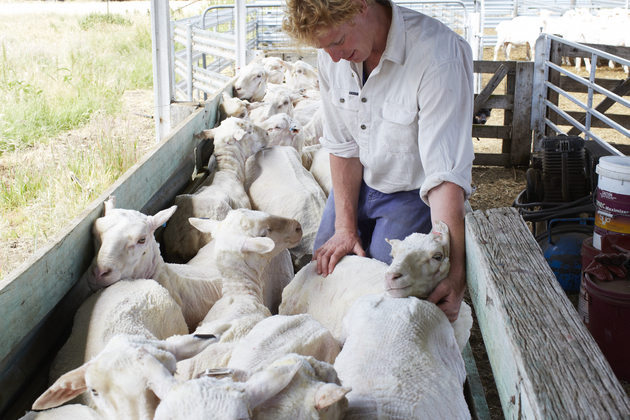
Staying ahead of Barber’s Pole: Managing worm risk in a changing WA climate
Internal parasites remain one of the costliest challenges for WA woolgrowers, but the "rules" of engagement are shifting. Evidence shows barber’s pole worm egg counts are now remaining above risk thresholds year-round in regions previously considered low-risk. This article breaks down the integrated worm management pillars—monitoring, nutrition, grazing, genetics, strategic drenching and vaccinating—required to break the cycle of reinfection and protect your bottom line.
Read more