



Welcome to Australian Wool Innovation, a hub for the woolgrowers of Australia.
Not a woolgrower? Looking for information about wool products, wool care or wool processing?
The Woolmark Company is the global authority on wool. Visit Woolmark.com instead.


AWEX EMI
1689
+41
Micron 17
2268
+26
Micron 18
2194
+37
Micron 19
2084
+42
Micron 20
2037
+46
Micron 21
1998
+40
Micron 25
941
+46
Micron 26
854
+36
Micron 28
728
+43
Micron 30
637
+37
Micron 32
482
+27
Micron 16.5
2291
+31
MCar
856
+22
Resource guide for sheep reproduction
This handy collection of AWI and MLA resources, tools and workshops provides producers and advisors with key information for all stages of the sheep reproduction cycle. Many of the resources are available to download directly by clicking on their title or scanning the QR code, and most can be ordered in hard copy by contacting AWI or MLA.
Articles That Might Interest You
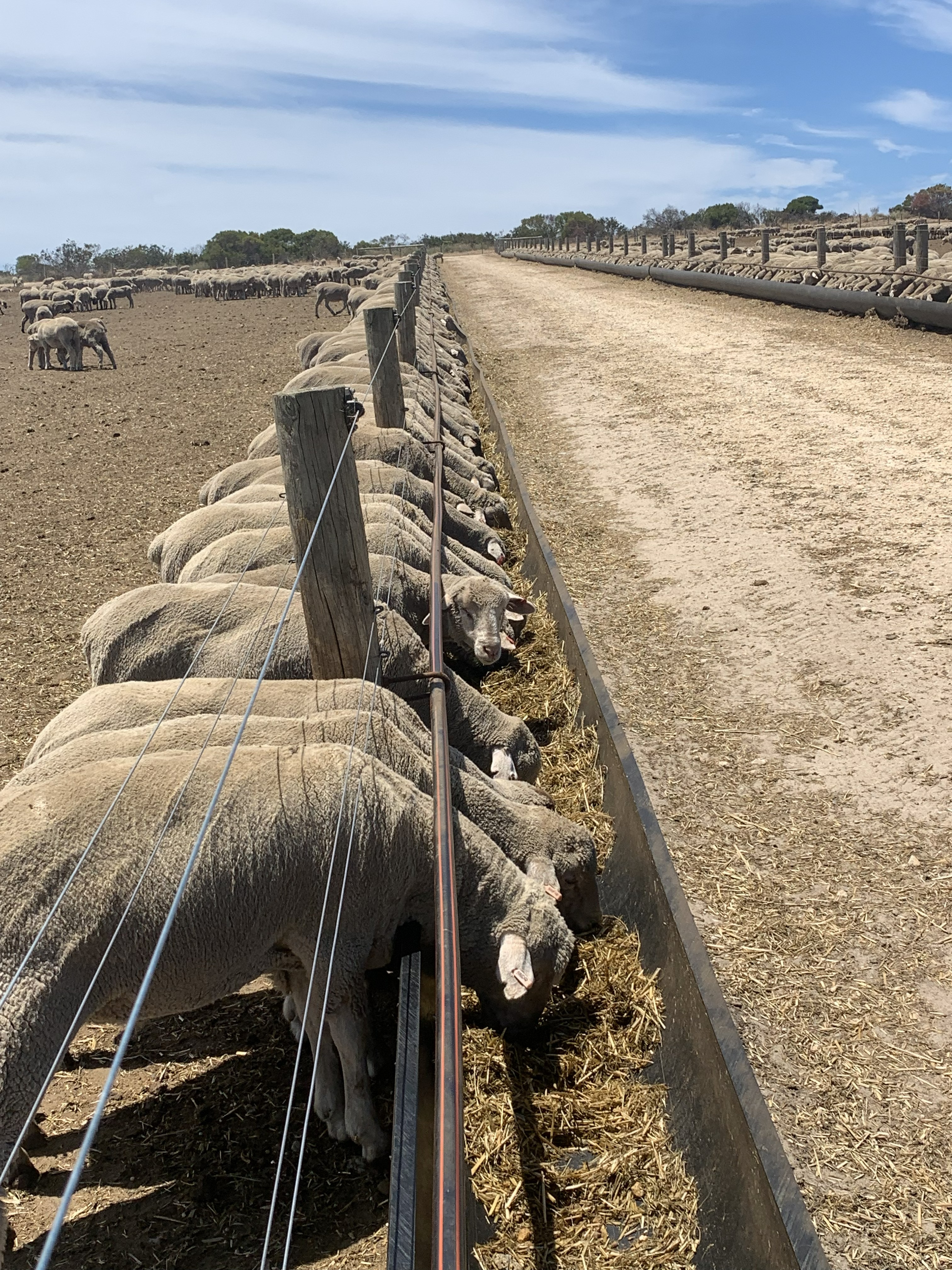
The WA woolgrower’s guide to containment feeding
Containment feeding has become a vital tool for WA woolgrowers to protect soils and maintain or increase stock condition through the increasingly long summer-autumn feed gap. This guide provides practical steps on site selection, nutrition and infrastructure, featuring expert insights from Esperance woolgrower Simon Fowler on how to lift flock performance while reducing costs through containment feeding.
Read more
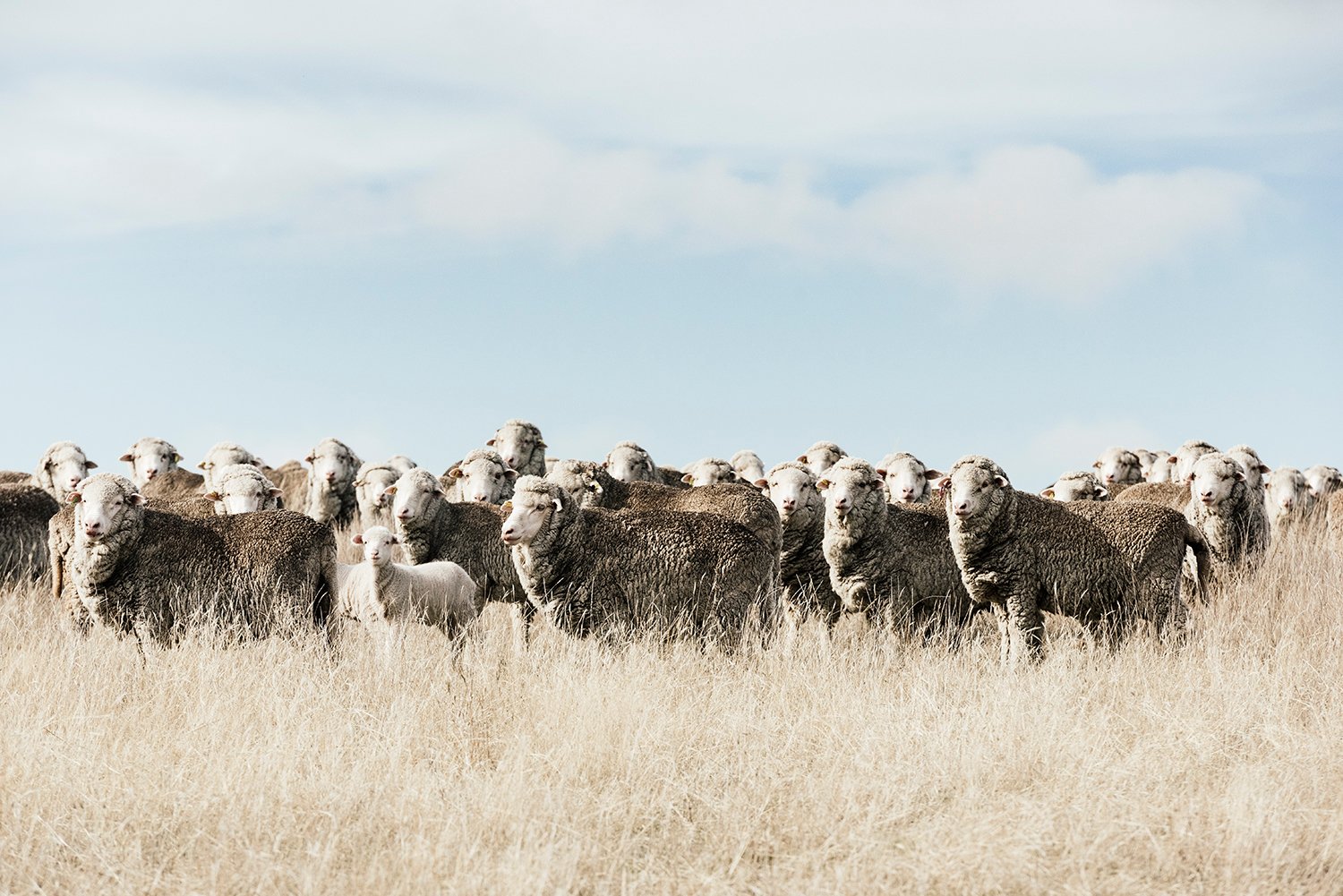
Improving conception, scanning results and lamb survival
Improving conception, scanning, and lamb survival is a multi-faceted game that begins months before the rams go out. This guide outlines the critical links between pre-joining nutrition, mating duration, and pregnancy management, providing Western Australian woolgrowers with a roadmap to optimise ewe energy reserves and lift whole-flock productivity through the challenging summer-autumn period.
Read more
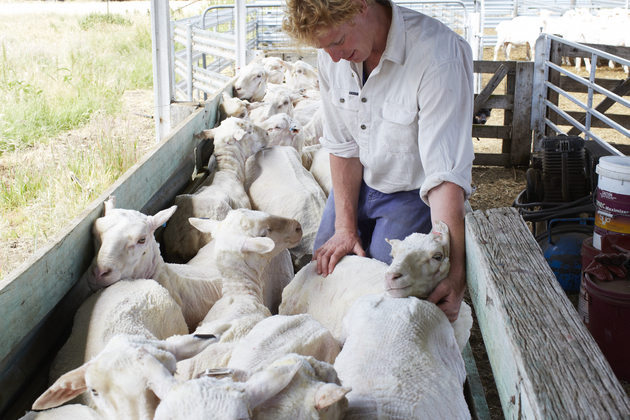
Staying ahead of Barber’s Pole: Managing worm risk in a changing WA climate
Internal parasites remain one of the costliest challenges for WA woolgrowers, but the "rules" of engagement are shifting. Evidence shows barber’s pole worm egg counts are now remaining above risk thresholds year-round in regions previously considered low-risk. This article breaks down the integrated worm management pillars—monitoring, nutrition, grazing, genetics, strategic drenching and vaccinating—required to break the cycle of reinfection and protect your bottom line.
Read more