



Welcome to Australian Wool Innovation, a hub for the woolgrowers of Australia.
Not a woolgrower? Looking for information about wool products, wool care or wool processing?
The Woolmark Company is the global authority on wool. Visit Woolmark.com instead.


AWEX EMI
1783
+16
Micron 17
2407
+9
Micron 18
2336
+3
Micron 19
2231
+30
Micron 20
2154
+42
Micron 21
2088
-2
Micron 25
1040
-2
Micron 26
879
-10
Micron 28
672
-23
Micron 30
578
-30
Micron 32
510
+2
Micron 16.5
2425
+12
MCar
1046
+17
Stock water
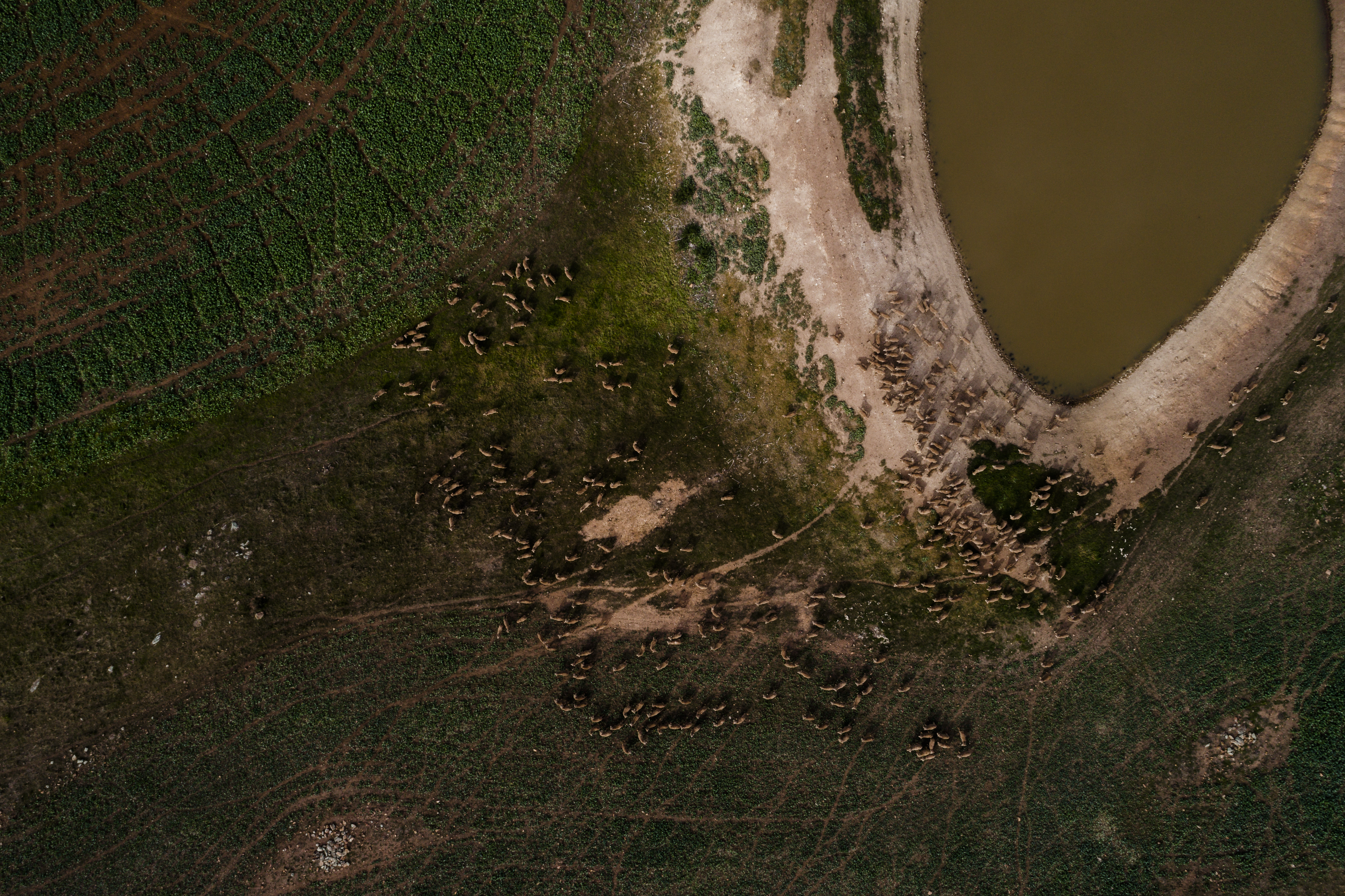
The best way to manage and maintain stock water is to have reliable information about your property’s water supplies. This means knowing where the water is, how much is available and whether it is ‘fit for purpose’. A water budget may help to avoid a forced destock due to insufficient water supplies.
Articles That Might Interest You
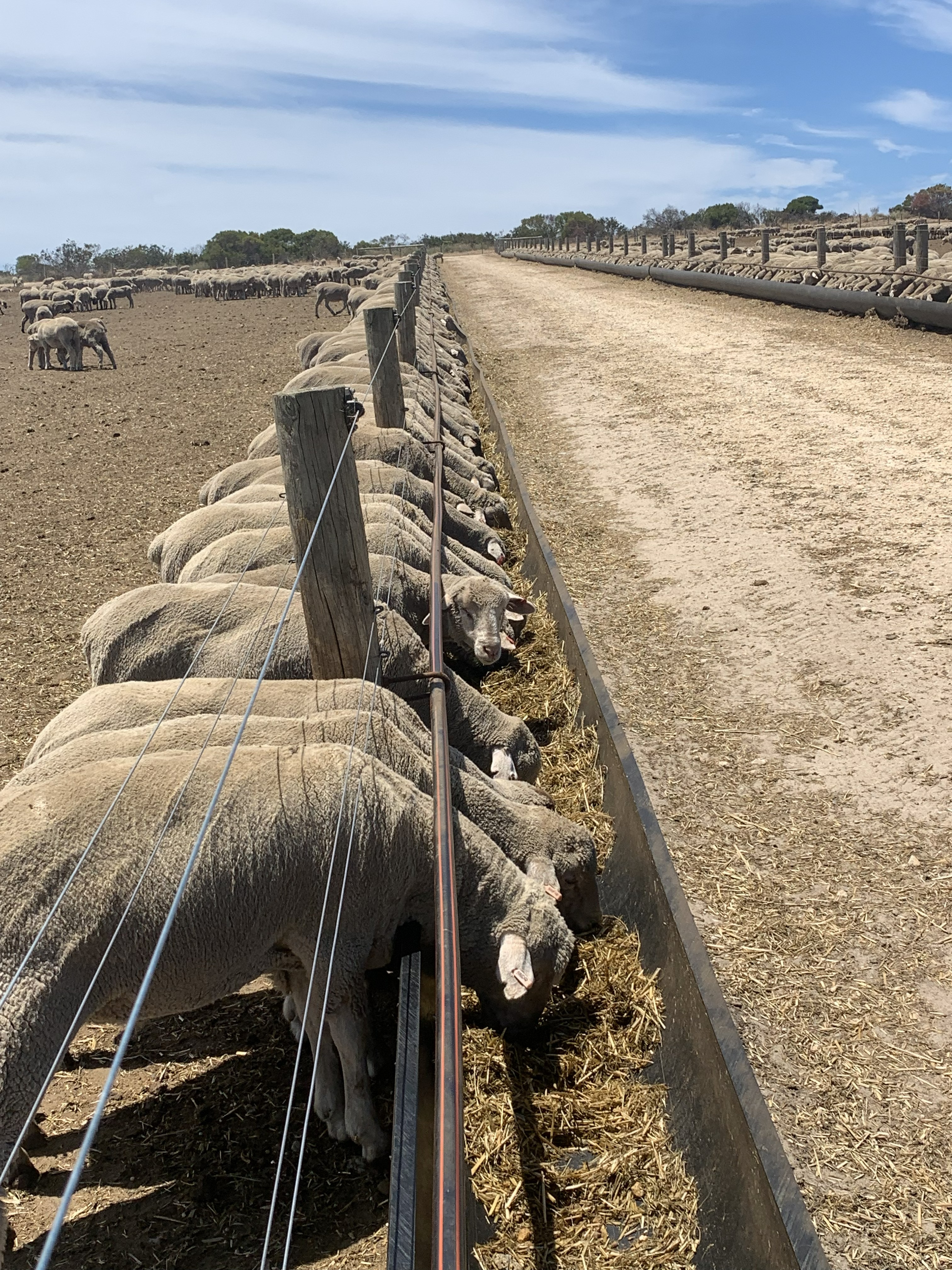
The WA woolgrower’s guide to containment feeding
Containment feeding has become a vital tool for WA woolgrowers to protect soils and maintain or increase stock condition through the increasingly long summer-autumn feed gap. This guide provides practical steps on site selection, nutrition and infrastructure, featuring expert insights from Esperance woolgrower Simon Fowler on how to lift flock performance while reducing costs through containment feeding.
Read more
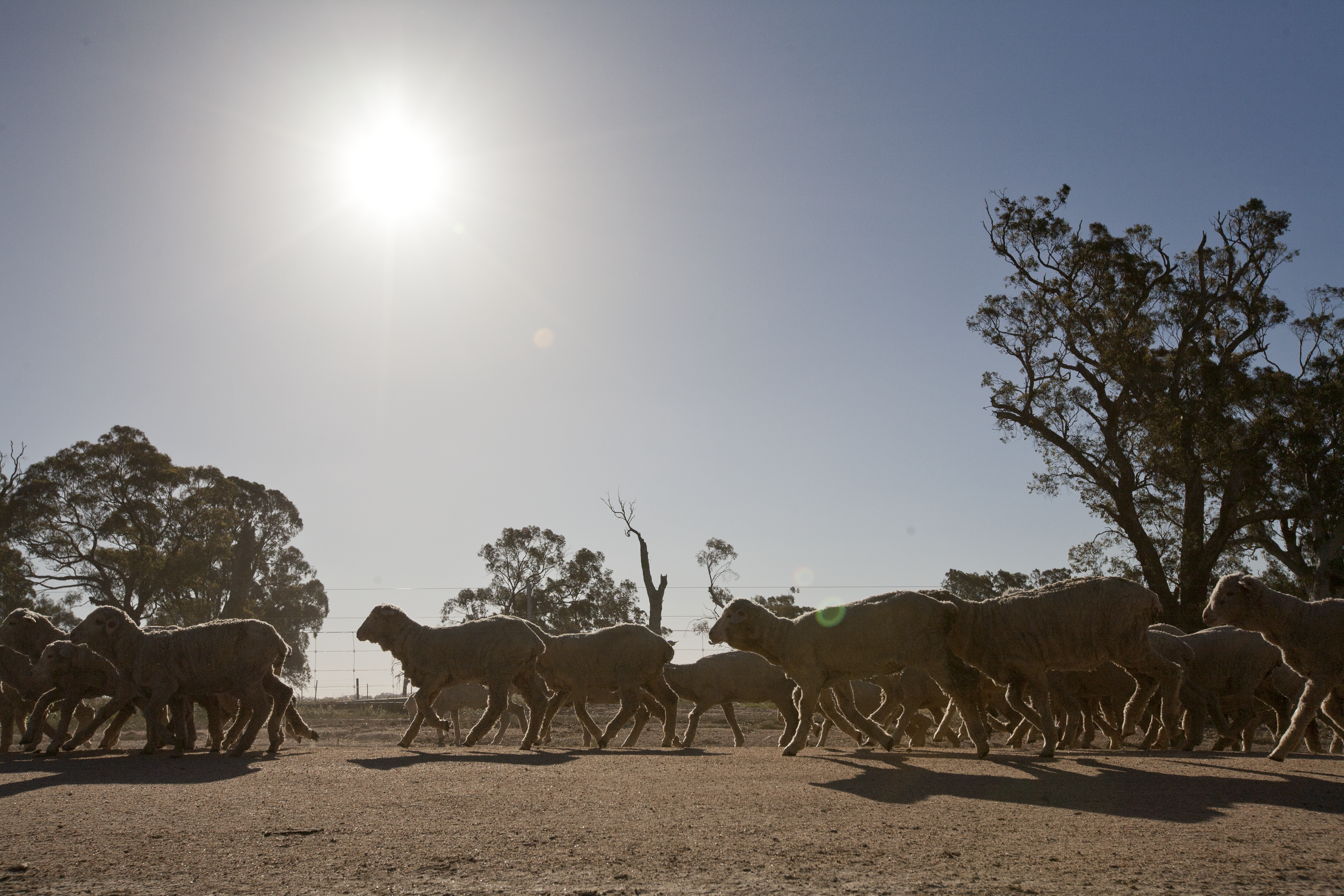
Practical steps to drought-proof your sheep enterprise
Hotter, drier seasons are now the reality for WA woolgrowers — and improving farm resilience is no longer optional. In this article, Bruce Rock woolgrower and Drought Hub Knowledge Broker, Tanya Kilminster, shares practical, research-backed strategies to plan ahead, protect core genetics and secure feed and water before the next long dry hits. Discover the steps that can safeguard your flock, land and bottom line.
Read more
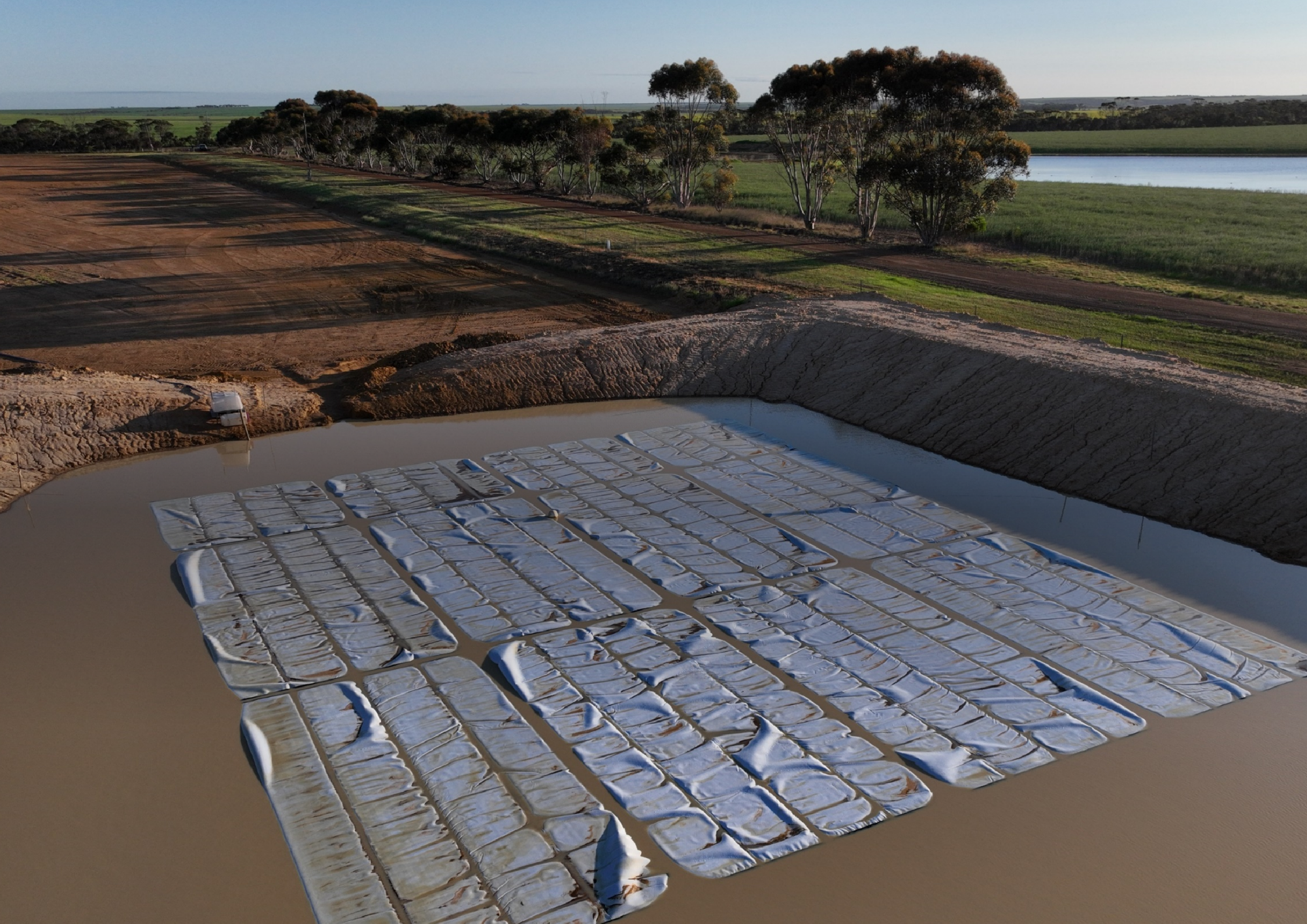
Water-Smart Wool: How to Make the Most of Every Drop
Getting started with water-smart management on-farm can boost productivity and future-proof your wool business. It’s not just about surviving dry seasons — understanding your water resources helps improve efficiency, sheep performance and profitability. This article breaks down the basics, including where water challenges lie, how to assess your system using simple tools, and what practical steps woolgrowers are already taking to make their water work for them.
Read more