




Practical steps to drought-proof your sheep enterprise
Hotter, drier seasons are now the reality for WA woolgrowers — and improving farm resilience is no longer optional. In this article, Bruce Rock woolgrower and Drought Hub Knowledge Broker, Tanya Kilminster, shares practical, research-backed strategies to plan ahead, protect core genetics and secure feed and water before the next long dry hits. Discover the steps that can safeguard your flock, land and bottom line.
In Western Australia, the farming landscape is shifting. With hotter, drier and more variable seasons now the norm, WA woolgrowers face shorter winter growing seasons and longer summer–autumn feed gaps. Securing reliable water and consistent feed supply has become one of the biggest business challenges in modern woolgrowing.
In this environment, building on-farm resilience is no longer a luxury—it is a business-critical necessity to ensure woolgrowing enterprises remain viable and profitable. True resilience begins with proactive planning and a willingness to adopt new strategies and technologies before the dust starts blowing.
This article explores key resilience strategies from Tanya Kilminster—Bruce Rock woolgrower and Knowledge Broker at the South-West WA Drought Resilience Adoption and Innovation Hub. Tanya shares a practical, research-driven roadmap designed to help WA woolgrowers drought-proof their enterprises. By implementing these steps, you can better secure your flock, land and bottom line—shifting the focus from "crisis management" to long-term strategic readiness.
1. Formalise your drought plan and set "trigger points"
The most dangerous time to make high-stakes decisions is under extreme stress. Having a formal drought plan will enable you to make objective choices based on data, not desperation.
Formalise your drought plan today by following these steps before a crisis hits:
- Establish trigger points - Identify clear dates or conditions that trigger action, such as selling a particular class of sheep or starting supplementary feeding
- Protect your core genetics - Your core breeding flock represents decades of genetic investment. Rank your ewes and rams and plan your sales to ensure your "top tier" genetics are the last to be considered for sale
- Use scenario tools to assess your risk - Explore tools like My Climate View to see future climate projections at a farm level. Planning for 2030 conditions today prevents "reactionary" farming tomorrow
"If farm businesses have set themselves a more formalised plan, they can then put in place some trigger points as to when they might want to consider making some really good or strong decisions. Sometimes it’s not a decision we want to make, but it’s a decision that we probably need to make" - Tanya Kilminster, Drought Hub
2. Secure your feed base and protect the soil
Ongoing quality feed supply is a top priority for WA woolgrowers. Feeding your sheep through the feed gap or a drought is expensive, but losing your topsoil to wind erosion is a permanent cost.
Practical ways to secure your feed base and minimise soil damage include:
- The two-year rule - It is recommended to have two years of feed on hand (e.g., grain, hay, or silage) to ensure you can bridge the gap if one season fails to produce enough fodder for the next. This "buffer" ensures you aren't forced to buy at the top of the market when everyone else is short
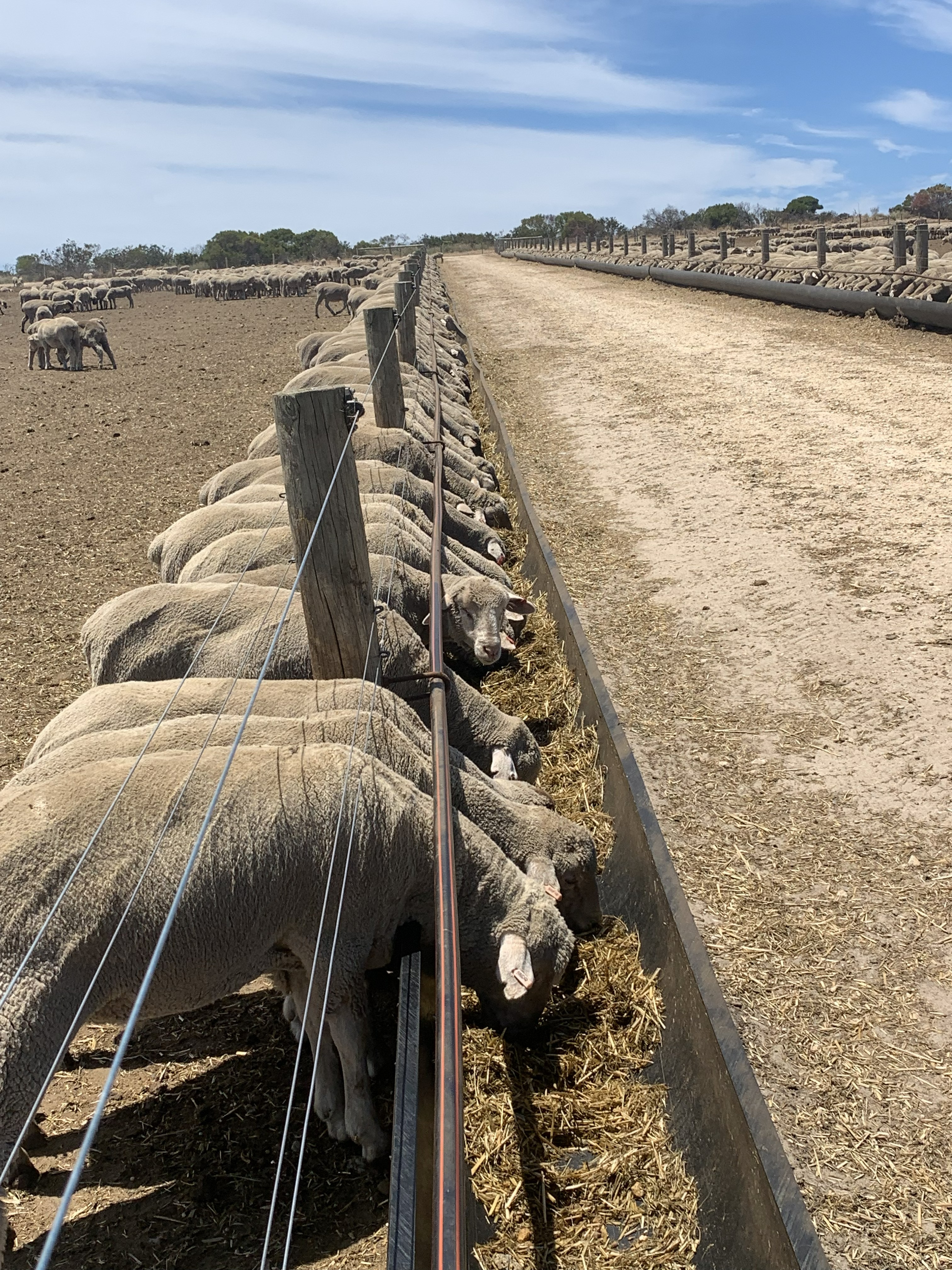
- Utilise containment areas - Moving your sheep into a dedicated containment feeding area protects paddock ground cover while improving the performance of your sheep. Maintaining at least 50% ground cover is vital to prevent erosion and ensure pastures bounce back quickly when it does rain. You can read more about how to set up a containment area here
- Diversify pastures - Initial findings from the Pasture 365 project suggest that diverse pasture mixes—combining grasses, legumes and herbs—provide a more balanced diet and better resilience than single-species pastures. Pasture species aren’t one-size-fits-all, as different plants thrive in different soil types. So when choosing a species, consider what will work in your specific production system
- Manage weeds - For perennial systems to thrive and provide out-of-season feed, maintaining clean paddocks through rigorous weed control is critical
3. Audit and upgrade water infrastructure
Water security and quality underpin every sheep system. In WA, no-till cropping systems have actually improved soil infiltration, which means there is less runoff into traditional dams.
Steps to strengthen your water security before a dry period hits include:
- Conduct a water audit - Regularly check for leaks, burst pipes and test your water quality. Sheep cannot afford to be off water for even a short period during a WA summer
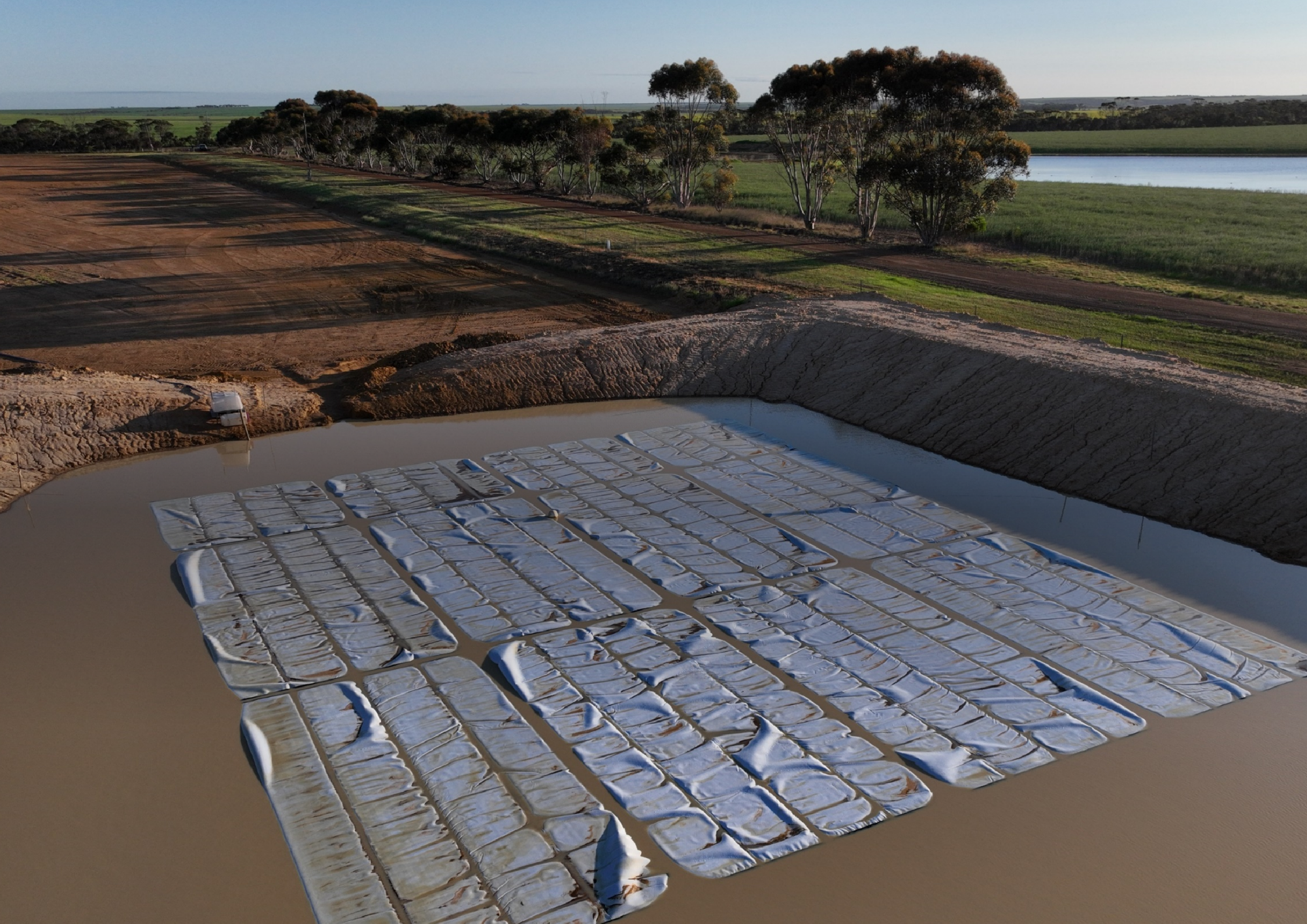
- Combat evaporation - Significant amounts of water are lost to the air. The Water Smart Dams project found that simple interventions, such as daisy pool covers, can significantly reduce evaporation rates
- Fix leaky dams - If your dams are losing water through the soil, consider dam sealant additives designed to seal the dam floor. This additive is added directly to the water and works by sealing the dam floor below the water level, which effectively reduces the amount of water leaking through the soil
- Improving existing dam catchments - or create new ones to ensure your dams have enough water to last through summer and autumn
- Use the Water Evaluation Platform - This modelling tool helps you understand your farm's specific water demand and the cost-benefit of investing in new catchments or infrastructure. You can access this tool here
"It’s really handy that farmers can do some scenario planning, understand the economics, understand the water demand of their animals to then make those decisions"- Tanya Kilminster, Drought Hub
You can read more about how to make the most out of every drop of water here.
4. Invest in your greatest asset: You
Resilience is as much about mindset as it is about infrastructure. Continual learning to improve what we do is beneficial for everybody. Tanya highlights that taking a "bird’s eye view" of your business is essential to identifying hidden risks and planning for those.
Here are some professional development steps you can take today to help you prepare:
- Farm Elevate Workshops - These programs help woolgrowers work on a formal business plan with the help of experts and other woolgrowers who have navigated the same dry spells to allow you to stress-test your business plan. You can read more about these workshops here
- Stay connected - Isolation increases the mental load of dry seasons. Engaging with local grower groups and experts ensures you are sharing and talking through ideas to help you manage the mental and operational load from a tough season
“I'm sure a lot of wool growers are guilty of getting bogged down in the day-to-day so these (Farm Elevate) initiatives are a really great way to get you off farm, get you thinking about the strategies going forward and provide coaching from experts like farm business experts and mental health experts to help you get a bird's eye view look at your business ”- Tanya Kilminster, Drought Hub
Key takeaways for WA woolgrowers to improve drought resilience:
- Set hard triggers - Create a formal plan with deadline dates for decisive action
- Buffer your feed - Keep two years of reserves and diversify pastures for year-round supply
- Protect every drop - Fix dam leaks, boost catchments, test water quality and use dam covers to reduce evaporation
- Use tech insights - Run the numbers on My Climate View and the Water Evaluation Platform to help you prepare for different scenarios
- Get outside input - Use consultants and peer workshops or talk to other woolgrowers to spot hidden business risks and brainstorm solutions
"I think, planning and having good people in your corner... are key things that help strengthen drought resilience”- Tanya Kilminster, Drought Hub
For more information, check out the following resources:
- South-West WA Drought Resilience Adoption and Innovation Hub website
- Grower Group Alliance (GGA) website
- Water-Smart Wool: How to Make the Most of Every Drop - AWI Extension WA article
Georgia Pugh, AWI Extension WA