




Staying ahead of Barber’s Pole: Managing worm risk in a changing WA climate
Internal parasites remain one of the costliest challenges for WA woolgrowers, but the "rules" of engagement are shifting. Evidence shows barber’s pole worm egg counts are now remaining above risk thresholds year-round in regions previously considered low-risk. This article breaks down the integrated worm management pillars—monitoring, nutrition, grazing, genetics, strategic drenching and vaccinating—required to break the cycle of reinfection and protect your bottom line.
Internal parasites remain a complex and costly challenge facing WA woolgrowers. Worm control is no longer about a single drench or a fixed program. Changing seasonal conditions, expanding barber’s pole worm distribution and widespread drench resistance mean woolgrowers need a more strategic approach to managing worms.
Recent industry data and research reinforce a clear message. Worms can be managed, but only when nutrition, monitoring, grazing management, drenches, genetics and vaccinations are working together.
Why worm pressure is increasing
Barber’s pole worm was once considered a predominantly northern parasite, limited by cold winters and dry summers. However, this is no longer the case. Evidence from diagnostic laboratories and state surveillance shows barber’s pole worm is now well established across large parts of southern Australia, including regions previously considered low risk.
One of the most concerning changes is that worm egg counts are remaining elevated for longer periods of the year. In some areas, average barber’s pole worm egg counts now remain above traditional risk thresholds throughout winter, increasing the risk of rapid outbreaks once conditions warm up in spring.
This shift is likely driven by a combination of favourable weather patterns and long-term selection pressure from repeated drenching. Whatever the cause, it means relying on historic assumptions about “safe” seasons is no longer effective.
The pasture problem we can’t see
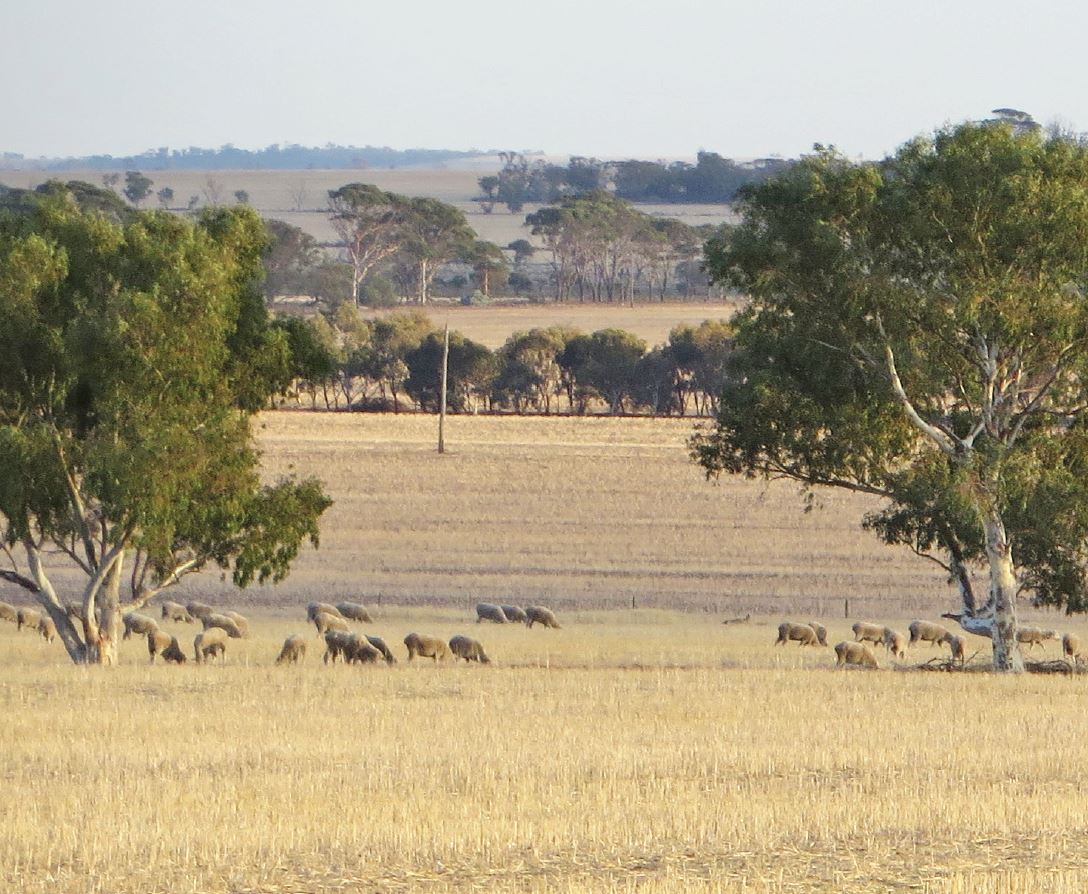
Most of the worm burden on a farm is not inside sheep. It is on the pasture. Research estimates that around 95 per cent of the worm population exists as larvae on pasture rather than as adult worms inside animals. These larvae sit mainly in the bottom five centimetres of the pasture sward and even in the top layer of soil. Sheep grazing close to the ground are therefore exposed to the highest risk.
A mob with a moderate worm egg count can shed hundreds of millions of worm eggs onto pasture each day. Under suitable temperature and moisture conditions, a proportion of those eggs develop into infective larvae, creating a cycle of reinfection that is difficult to break without intervention.
While pasture larval counts are not commercially available in Australia due to cost and complexity, research trials consistently show that heavily stocked paddocks can carry tens of thousands of larvae per kilogram of dry matter. That level of exposure places constant pressure on young sheep and breeding ewes.
How worms affect sheep performance
Barber’s pole worm is particularly damaging because it feeds on blood. Even relatively small numbers can cause anaemia, reduced growth and in severe cases, death.
Woolgrowers may observe:
- pale lower eyelids and gums
- bottle jaw swelling under the jaw
- reduced exercise tolerance, with sheep lagging or collapsing when moved
- poor growth rates despite adequate feed
Research has shown that lambs with higher worm egg counts face a significantly increased risk of mortality. Importantly, growth rate impacts are not linear. Lambs do not need extremely high burdens for performance losses to occur. Even moderate worm intake can reduce growth and increase susceptibility to further infection.
Nutrition and body condition matter
One of the strongest and most consistent findings across multiple studies is the link between nutrition, body condition score and worm burden. Sheep in higher body condition scores consistently carry lower worm egg counts than sheep in poorer condition. Conversely, sheep in low condition often maintain elevated worm egg counts year-round, increasing both their own risk and pasture contamination.
Nutrition plays a direct role in immunity. Lambs on higher planes of nutrition not only grow faster, but they also show lower worm egg counts and less anaemia when exposed to the same infective challenge. This creates a positive feedback loop where better-fed sheep cope better with worms and contaminate pastures less. From a management perspective, maintaining condition through summer and early autumn is not just about production. It is a key worm control strategy.
Monitoring worms effectively
Worm egg counts remain a valuable and cost-effective tool for monitoring internal parasites, but need to be used correctly to be effective. Individual samples provide the most accurate picture of variation within a mob and help identify high-risk animals. Pooled samples can be useful once a management pattern is established, but may hide important extremes.
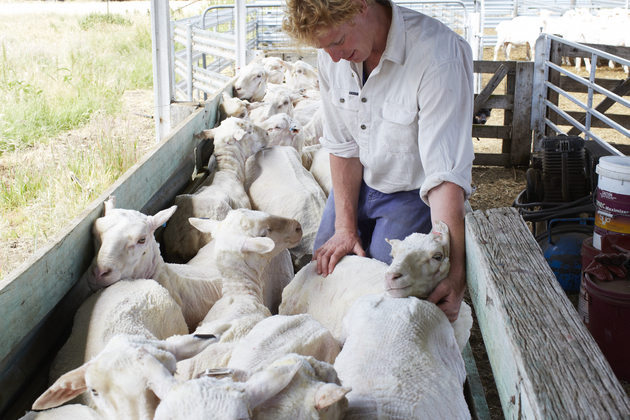
Accredited testing is critical. Laboratories participating in national quality assurance program (Paraboos WEC QA certified scheme) provide confidence that results are reliable and comparable over time. Worm egg counts mustn’t be interpreted in isolation. Visual assessment of sheep remains essential. Lower eyelid colour, body condition score, vigour and behaviour all provide important context when making treatment decisions.
Using drenches strategically
Identifying which worm species are present is essential before making drench decisions. Despite the range of products available, very few drenches provide true broad-spectrum control. Most work well on some worms and poorly on others. Using a drench that does not match the worm challenge leads to poor outcomes and wasted money. Drenches are still a valuable tool, but only when used correctly. A drench that fails to work is the most costly option.
Key principles include:
- only using drenches that achieve high efficacy on your property
- testing drenches regularly to confirm performance
- avoiding calendar-based drenching
- following up treatments with worm egg counts
- implementing effective quarantine drenching for introduced sheep
Resistance profiles vary widely between farms, even within the same district. What works on one property may be ineffective on another. Testing is the only reliable way to know. Quarantine drenching remains one of the most important biosecurity steps available. New sheep should be treated with an effective combination drench and held until follow-up testing confirms success before joining the main flock.
Grazing management to reduce risk
Understanding worm biology allows woolgrowers to reduce risk through grazing management. Larvae survival is strongly influenced by temperature and moisture. Warm, dry conditions reduce survival, while cool, moist conditions allow larvae to persist for long periods.
Management options include:
- spelling paddocks during high-risk periods
- using hay or silage cuts to reduce pasture contamination
- rotating sheep with cattle to break parasite cycles
- prioritising low-risk paddocks for lambing ewes and weaners
Tools such as BioWorma may also reduce larval development in dung in some systems, particularly where stocking rates are high. Cost and practicality should be assessed on a case-by-case basis.
Genetics and vaccination for long-term control
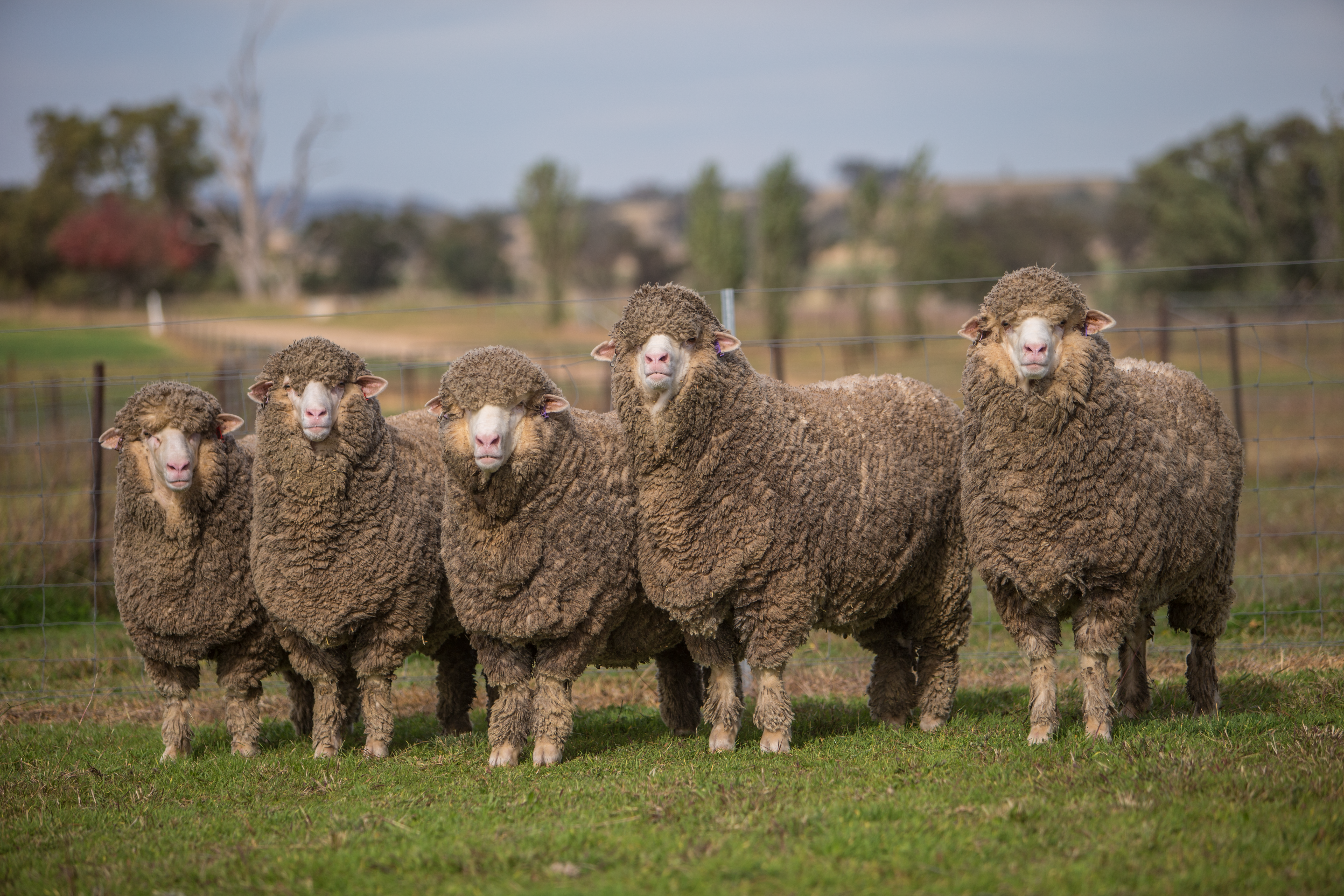
Genetic resistance offers one of the most powerful long-term solutions to worm control. Selection for lower worm egg count breeding values reduces parasite burden, improves resilience and lowers pasture contamination across the entire flock.
Even a single poor ram choice can set a program back years. Including worm resistance traits when selecting sires is a simple decision that delivers permanent gains.
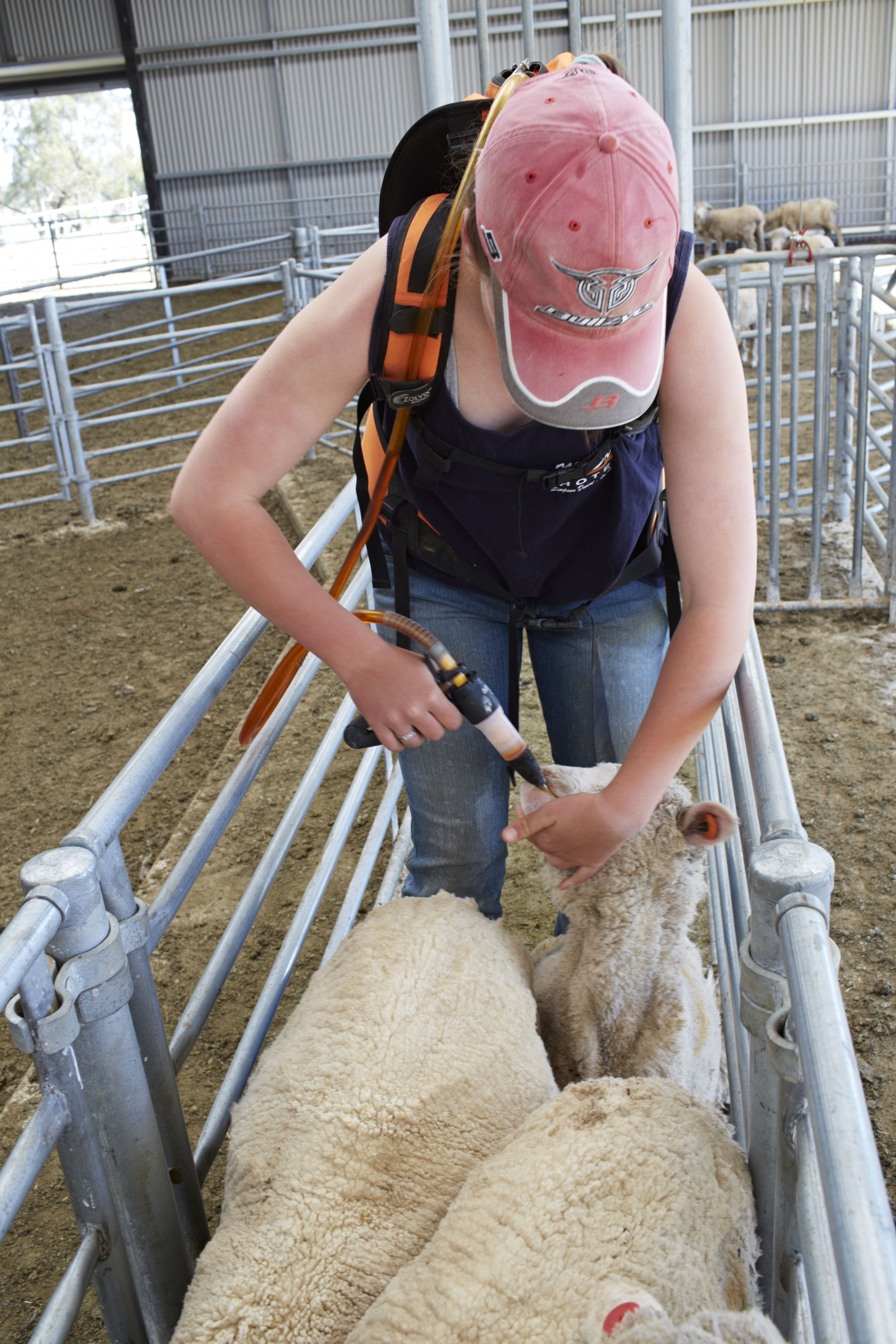
Vaccination against barber’s pole worm provides another valuable tool. Vaccinated sheep shed fewer worm eggs, reducing pasture contamination and overall challenge. Vaccination works best as part of an integrated program rather than as a standalone solution.
A whole-farm approach
There is no silver bullet for worm control. Effective management requires a 360-degree approach that combines:
- monitoring
- nutrition and condition management
- strategic drenching
- grazing management
- genetic selection
- vaccination where appropriate
Each enterprise will require a different mix of tools depending on climate, stocking rate and production goals. The key is flexibility and informed strategic decision-making.
Worms are unlikely to disappear from WA sheep systems, but with the right strategy, their impact can be managed. The goal is not eradication, but control that protects sheep welfare, maintains productivity and preserves the effectiveness of existing tools for the future.
To view the resources used for the article and for more information, check out the following:
- AWI Parasite Management article
- Pole position: staying ahead of worms this summer - AWI Webinar
Phoebe Eckermann, AWI Extension WA